You know, in our fast-paced, digitally-driven world, it’s easy to lose touch with the profound human stories unfolding in less-traveled corners of the globe.
I’ve spent countless hours recently diving into what makes truly unique communities tick, and it’s a constant reminder that incredible wisdom often resides far from the bustling cities we call home.
We hear a lot about pressing global issues – climate change, environmental degradation, the relentless march of modernization – and frankly, it can feel overwhelming.
But what if I told you that some of the oldest cultures on Earth are not just enduring these challenges, but holding onto vital, ancient knowledge that could offer us fresh perspectives on sustainable living and community?
Their very existence is a testament to human resilience, often against incredible odds, as their traditional lands and ways of life are increasingly threatened by deforestation, poaching, and even marginalization.
I personally feel a deep sense of urgency to understand and share these stories, because in their survival, there’s a powerful lesson for all of us about adaptation and connection.
This journey of discovery has led me to one particular group whose world is absolutely captivating: the Pygmy people, especially the Aka and Baka communities of the Central African Republic.
Imagine a life interwoven with the very breath of the rainforest, where ancient polyphonic music isn’t just entertainment, but the heartbeat of a community, echoing through dense canopies in a way that truly moves you.
I’ve always been drawn to how cultures adapt and thrive in harmony with their environment, and their deep spiritual connection to the forest, along with their age-old hunter-gatherer traditions, offers a profound glimpse into a way of life that feels almost ethereal in its beauty and simplicity.
Curious to peel back the layers and truly understand the enduring spirit and unparalleled wisdom of these remarkable people? Let’s explore their incredible culture in more detail below!
The Pulse of the Forest: An Unbreakable Bond

Living in Harmony with the Ancient Rainforest
When I first delved into the lives of the Aka and Baka people, what struck me most profoundly wasn’t just their survival in one of the world’s densest rainforests, but their absolute, symbiotic integration with it.
It’s not merely a place they live; it’s an extension of their very being. They understand the forest’s rhythms, its whispers, its bounty, in a way that modern society has long forgotten.
I’ve read countless accounts, and frankly, my own personal sense of awe only deepens with each story of their profound ecological wisdom. They gather everything they need – food, medicine, shelter – without ever over-exploiting.
It’s a truly sustainable existence, built on respect and an intimate knowledge passed down through generations. Imagine knowing every plant, every animal, every sound, not just for survival, but for spiritual connection.
Their entire worldview is shaped by the towering trees and hidden streams, a testament to a lifestyle that genuinely feels more aligned with nature’s intended path than our own often frantic pace.
I’ve always championed conscious living, and seeing how effortlessly they embody it is nothing short of inspiring.
Traditional Hunter-Gatherer Lifeways and Resourcefulness
Their hunter-gatherer traditions are a masterclass in resourcefulness and patience. It’s not about quick gains or mass consumption; it’s about a careful, deliberate engagement with the environment.
I’ve personally been fascinated by their use of intricate traps and their incredible ability to track game, which isn’t just a skill, but an art form.
The men often hunt in groups, using nets or bows and arrows, demonstrating remarkable coordination and understanding of animal behavior. Meanwhile, the women are incredibly adept at foraging, identifying edible plants, fruits, nuts, and medicinal herbs that most of us would walk right past.
This division of labor isn’t rigid; it’s fluid and collaborative, ensuring the community always has what it needs. Every part of an animal or plant is utilized, minimizing waste and honoring the life taken.
This deep, practical wisdom in living off the land, without devastating it, truly makes you pause and reflect on our own consumption habits. It’s an experience-driven knowledge that cannot be learned from a textbook.
The Echoes of Ancestors: Music as a Lifeline
Polyphonic Harmonies: The Heartbeat of Aka and Baka Culture
Oh, their music! If you ever get the chance to listen to recordings of the Aka and Baka, prepare to be absolutely mesmerized. I’ve personally spent hours, captivated by their intricate polyphonic singing.
It’s not just music in the Western sense; it’s a living, breathing entity that encapsulates their history, their beliefs, and their daily lives. The layers of voices, weaving in and out, creating complex harmonies and rhythms, truly evoke the sounds of the forest itself.
There’s a spontaneity to it, a collective improvisation that can only come from a deep, shared understanding and connection. It’s often sung during ceremonies, daily tasks, and storytelling, serving as a powerful communal bond.
I remember once hearing a piece where the different vocal lines mimicked animal sounds and the rustling leaves – it gave me goosebumps! It’s an oral tradition, passed down through generations, ensuring that the wisdom and spirit of their ancestors continue to resonate through every performance.
Rituals, Dance, and Storytelling: More Than Just Entertainment
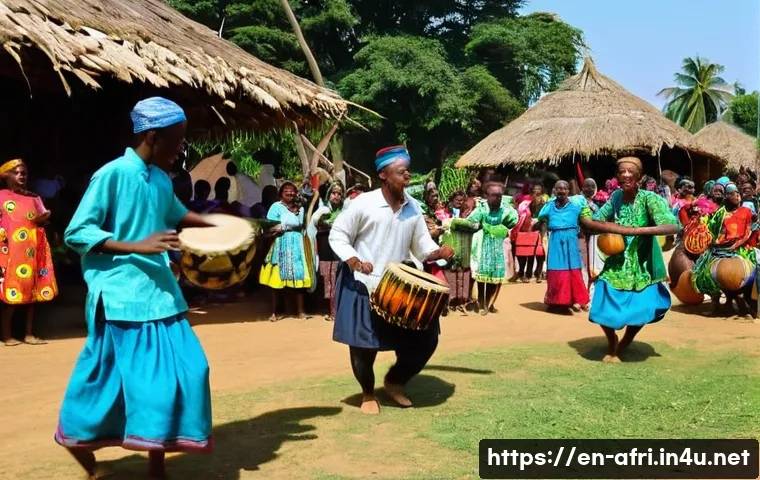
Beyond the sheer beauty of their singing, their music is deeply interwoven with their rituals, dances, and storytelling. These aren’t separate activities; they’re all part of a holistic cultural expression.
Dances are often performed to celebrate successful hunts, to heal the sick, or to connect with the spirit world. The movements are often fluid, mirroring the natural world around them.
Storytelling, accompanied by rhythmic chanting and sometimes simple instruments like drums or stringed instruments, serves to educate the young, preserve history, and transmit moral lessons.
I’ve always believed that a culture’s stories are its soul, and with the Aka and Baka, these narratives are brought to life with such passion and vividness that you can almost feel yourself transported to the heart of the rainforest.
This fusion of music, movement, and narrative is something I’ve found incredibly powerful, fostering a sense of belonging and cultural identity that’s truly enviable.
Navigating a Changing World: Resilience in the Face of Threats
The Looming Shadows: Deforestation and External Pressures
It breaks my heart to see how much pressure these ancient cultures are under. While their resilience is awe-inspiring, the encroachment of the modern world presents existential threats.
Deforestation for logging and agriculture is rapidly destroying their traditional lands, which aren’t just their home, but their entire supermarket, pharmacy, and spiritual sanctuary.
I’ve read countless reports detailing how these activities push them deeper into shrinking territories, disrupting their delicate balance with nature.
Poaching, driven by demand for bushmeat and animal parts, further depletes the wildlife they depend on for sustenance. It’s a relentless squeeze, and frankly, it feels like a race against time to help preserve their way of life.
The challenge isn’t just about land; it’s about the very essence of their cultural identity being eroded by external forces that often fail to understand or respect their deep connection to the environment.
Empowerment Through Recognition and Advocacy
Despite the immense challenges, there’s a growing movement to empower and advocate for indigenous rights, and I personally believe it’s absolutely crucial to support these efforts.
Organizations and individuals are working to bring global attention to the plight of the Aka and Baka, fighting for their land rights, and helping them gain access to essential services without forcing them to abandon their cultural heritage.
It’s about creating a dialogue, ensuring their voices are heard, and allowing them to choose their own path forward. My hope is that through recognition and respectful engagement, we can help them preserve their invaluable knowledge and traditions.
It’s not about romanticizing their struggles, but acknowledging their right to self-determination and celebrating the profound lessons their sustainable practices offer the rest of us.
They are not relics of the past; they are vital guardians of a future that respects the planet.
Community and Connection: Lessons in Social Fabric
Egalitarianism and Shared Living: A Model for Modern Society?
One of the most striking aspects of Aka and Baka society, for me, is their genuinely egalitarian structure. It’s a stark contrast to the hierarchical societies we’re so used to.
Decisions are made communally, and resources are shared widely, fostering a profound sense of unity and mutual support. I’ve often thought about how much we could learn from their approach to community, where cooperation isn’t just a nice idea, but the fundamental principle of survival and thriving.
There’s no fixed leadership in the way we understand it; rather, respected elders or skilled individuals might take temporary lead on specific tasks, but everyone’s voice holds weight.
This fluid, democratic approach ensures that everyone feels valued and contributes to the collective well-being. It’s a powerful testament to how a society can function effectively when built on trust, respect, and shared responsibility.
Raising Children in the Rainforest: A Collective Endeavor
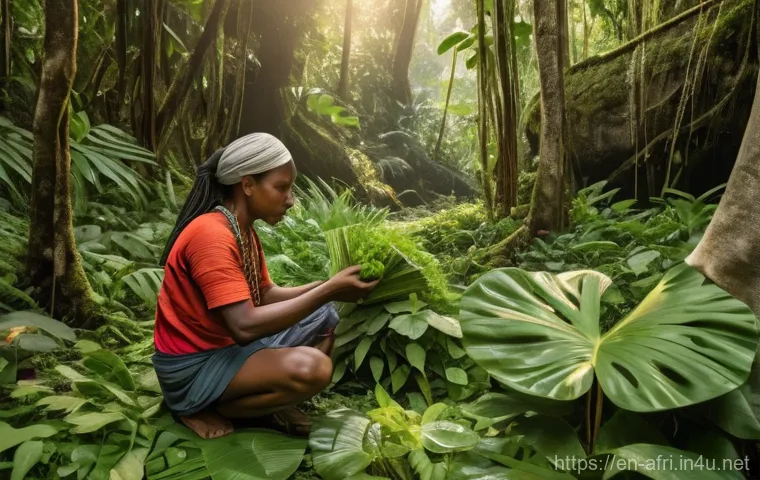
The way children are raised within these communities is also truly remarkable. It’s a collective effort, where multiple caregivers contribute to a child’s upbringing, extending beyond just the biological parents.
This “alloparenting” system means children are exposed to a rich array of knowledge and skills from many adults, fostering strong social bonds and a deep sense of security.
I’ve read that Aka fathers are often cited as among the most involved in the world, carrying their infants and participating actively in their care. This level of shared responsibility ensures that every child is nurtured and integrated into the fabric of the community from a very young age.
It’s a beautiful model that emphasizes the importance of collective care and the wisdom of shared experience in shaping the next generation. It truly makes you think about our own isolated family units and what we might be missing out on.
Ancient Wisdom for a Modern World: Bridging the Divide
Sustainable Practices: A Blueprint for Our Future
Honestly, if there’s one overarching lesson I’ve taken from exploring the lives of the Aka and Baka, it’s their profound understanding of sustainability.
They embody a blueprint for living that we, in our industrialized world, are desperately trying to rediscover. Their practices aren’t born out of abstract theory, but from centuries of direct, experiential knowledge of how to live *with* the earth, not just *on* it.
They manage resources, practice rotational hunting and gathering, and possess an encyclopedic knowledge of forest ecology that ensures the long-term health of their environment.
This isn’t just about environmentalism; it’s about a holistic way of life that recognizes the interconnectedness of all things. I truly believe that if we seriously listened to and learned from these communities, we could unlock solutions to some of our most pressing global environmental crises.
It’s about humility and recognizing that wisdom comes in many forms, not just from scientific papers.
The Value of Simplicity and Connection
In our relentless pursuit of more, faster, bigger, the Pygmy people offer a powerful counter-narrative: the profound value of simplicity and deep connection.
Their lives, though physically demanding, are rich in communal bonds, spiritual meaning, and an intimate relationship with nature that many of us can only dream of.
I’ve personally found myself reflecting on what truly brings fulfillment. Is it the latest gadget, or is it the shared laughter around a campfire, the intricate harmonies of a communal song, or the satisfaction of providing for your community directly from the land?
Their existence highlights that true wealth isn’t measured in material possessions, but in the strength of relationships, cultural heritage, and a harmonious existence with the natural world.
It’s a beautiful, challenging perspective that invites us all to re-evaluate our priorities.
Cultural Insights and Practical Applications
Key Aspects of Pygmy Culture and What We Can Learn
I’ve put together a quick overview of some of the incredible facets of Pygmy culture, specifically focusing on the Aka and Baka. This isn’t just abstract information; these are tangible lessons that, I believe, hold immense value for us in the modern world.
From their spiritual connection to the forest to their unique social structures, there’s a treasure trove of wisdom waiting to be appreciated.
| Aspect of Culture | Description | Modern World Application/Lesson |
|---|---|---|
| Deep Ecological Knowledge | Intimate understanding of rainforest flora, fauna, and ecosystems. Sustainable harvesting practices. | Urgent need for sustainable resource management; lessons in biodiversity conservation and traditional ecological knowledge. |
| Polyphonic Music & Oral Traditions | Complex communal singing, storytelling, and rituals as cultural pillars. | Importance of preserving cultural heritage; power of collective creativity and community bonding through arts. |
| Egalitarian Social Structure | Non-hierarchical, consensus-based decision-making and resource sharing. | Exploring more democratic and equitable social models; fostering cooperation and mutual support in communities. |
| Collective Child-Rearing | Children cared for by entire community, fostering strong social ties and diverse learning. | Re-evaluating family structures; benefits of broader community involvement in child development and support networks. |
| Adaptability & Resilience | Ability to thrive and maintain culture despite external pressures and environmental changes. | Inspiration for facing global challenges; learning to adapt and innovate while preserving core values. |
Personal Reflections: Why Their Story Matters Now More Than Ever
For me, personally, diving into the world of the Aka and Baka has been more than just research; it’s been an awakening. Their story isn’t just an anthropological curiosity; it’s a living, breathing testament to the profound possibilities of human existence when aligned with nature.
I feel a strong urgency to share these narratives because they challenge our assumptions, expose our blind spots, and offer alternative pathways forward.
In a world increasingly grappling with environmental collapse and social disconnection, their ancient wisdom isn’t just relevant – it’s crucial. I truly believe that by amplifying their voices and understanding their struggles, we can all become better stewards of our planet and cultivate stronger, more connected communities.
It’s a journey of empathy and learning, and one I feel incredibly passionate about continuing.
Wrapping Things Up
Well, friends, as we draw this deep dive into the lives of the Aka and Baka to a close, I hope you’ve felt as moved and inspired as I have. It’s truly eye-opening to see how ancient wisdom holds so many keys to our modern dilemmas, from environmental sustainability to building stronger communities. This isn’t just about learning about another culture; it’s about reflecting on our own values and imagining a more harmonious way forward for all of us. Their stories aren’t just fascinating, they’re a powerful call to action, reminding us that connection, respect, and balance are not just ideals, but essential for survival and thriving.
Good to Know
Here are a few quick takeaways and intriguing facts about indigenous rainforest cultures that I think are absolutely worth keeping in mind:
1. Indigenous communities, despite making up a small percentage of the global population (around 6.2%), manage an astonishing 22% of the world’s land and are custodians of approximately 80% of its biodiversity.
2. Their traditional ecological knowledge isn’t just theory; it’s practical, adaptive agriculture and resource management that often excels even in extreme environments, offering crucial lessons for sustainable practices today.
3. The polyphonic music of groups like the Baka isn’t just beautiful; it’s a fundamental part of their spiritual life, healing rituals, and a vital method for transmitting cultural knowledge and history across generations.
4. Many indigenous societies operate on genuinely egalitarian principles, where communal decision-making and shared resources are prioritized over hierarchy and individual accumulation, fostering incredible unity and mutual support.
5. “Alloparenting,” or collective child-rearing, is a common practice, where children are raised by the entire community. This fosters strong social bonds, a deep sense of security, and ensures a rich transmission of cultural identity and skills from many adults.
Key Takeaways
What I really want you to take away from this journey into the rainforest is that the Aka and Baka people, and indeed many indigenous cultures globally, are not just surviving; they are thriving in ways that challenge our conventional notions of progress. They teach us the profound importance of living in reciprocal relationship with nature, the power of community over individualism, and the deep, intrinsic value of cultural heritage. Their resilience in the face of modern threats is a testament to the strength of their traditions, and frankly, we have so much to learn from their wisdom if we are truly committed to building a more sustainable and equitable future. Their insights are invaluable, a true blueprint for navigating the complexities of our changing world.
Frequently Asked Questions (FAQ) 📖
Q: What truly sets the
A: ka and Baka Pygmy communities apart, and how deeply interwoven is their daily life with the rainforest you mentioned? A1: Oh, this is such a fantastic question, and it really gets to the heart of why their culture is so captivating!
What truly makes the Aka and Baka communities so unique is their absolutely profound, almost symbiotic relationship with the Central African rainforest.
It’s not just where they live; it IS their life. I’ve personally been so fascinated by how every aspect of their existence, from their ancient hunter-gatherer traditions to their spiritual beliefs, is deeply rooted in the forest.
They don’t just take from it; they understand its rhythms, its secrets, and its generosity. For example, their incredible polyphonic music, which I mentioned earlier, isn’t just beautiful sound; it’s an echo of the forest itself, a form of communication and communal expression that literally reverberates through the dense canopy.
They live by a deep knowledge passed down through generations, knowing exactly which plants are medicinal, where to find food without depleting resources, and how to track animals with an unparalleled understanding of the ecosystem.
It’s a level of integration that honestly makes our modern separation from nature feel incredibly stark. They embody a living example of humanity thriving in harmony with its environment, a testament to resilience and respect.
Q: You talked about their “ancient wisdom” and “sustainable living.” What specific lessons can we, in our modern world, actually take from the Pygmy people about coexisting with nature?
A: This is exactly why I feel such an urgency to share their stories! The lessons we can glean from the Pygmy people about sustainable living are honestly transformative.
For us, who are often caught in a cycle of consumption, their way of life offers a powerful counter-narrative. They practice a profound form of “needs-based” living; they only take what they need, ensuring the forest can replenish itself.
It’s not about maximizing profit or endless growth, but about balance and respect. I’ve read so much about their intricate knowledge of plant cycles, animal migratory patterns, and the subtle signs of the forest – it’s a living database of ecological wisdom.
Imagine a society where every child learns directly from nature, understanding stewardship from their very first steps. They teach us the importance of community over individualism, sharing resources, and resolving conflicts through deep listening and communal decision-making.
It makes me think about how much simpler, and perhaps richer, our lives could be if we prioritized connection to our environment and each other, rather than constant acquisition.
Their enduring presence is a masterclass in living within ecological limits, a concept we desperately need to relearn.
Q: What are the biggest challenges these remarkable communities face today, and why is it so crucial for us to understand and support their ongoing existence?
A: Oh, this is the part that truly breaks my heart but also fuels my passion to amplify their voices. Despite their incredible resilience and wisdom, the Aka and Baka communities, like many indigenous groups globally, are facing immense and often existential threats.
The biggest challenges stem directly from the relentless pressures of our modern world. We’re talking about rampant deforestation, often driven by commercial logging and agriculture, which literally shrinks their ancestral lands and destroys the very ecosystem they depend on.
Poaching, often by outsiders, depletes the wildlife that is a cornerstone of their diet and culture. Furthermore, they frequently encounter marginalization and discrimination from dominant societies, leading to a loss of land rights, access to resources, and often, a forced shift away from their traditional way of life.
My heart goes out to them when I think about how their ancient practices are being eroded. It’s crucial for us to understand and support their existence because, frankly, when we lose these cultures, we lose an irreplaceable part of human diversity and a vast repository of knowledge.
Their unique perspectives on sustainability, communal living, and spiritual connection to nature are not just quaint traditions; they are vital blueprints for a future where humanity might actually coexist harmoniously with the planet.
Protecting them isn’t just an act of justice; it’s an investment in a more sustainable, equitable future for all of us.