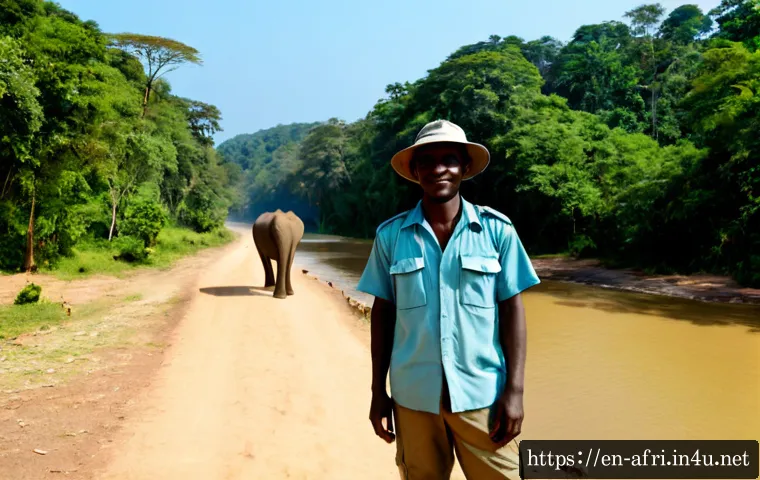
December to February is often the most practical time to visit the Central African Republic because conditions are generally drier and overland logistics may be easier.
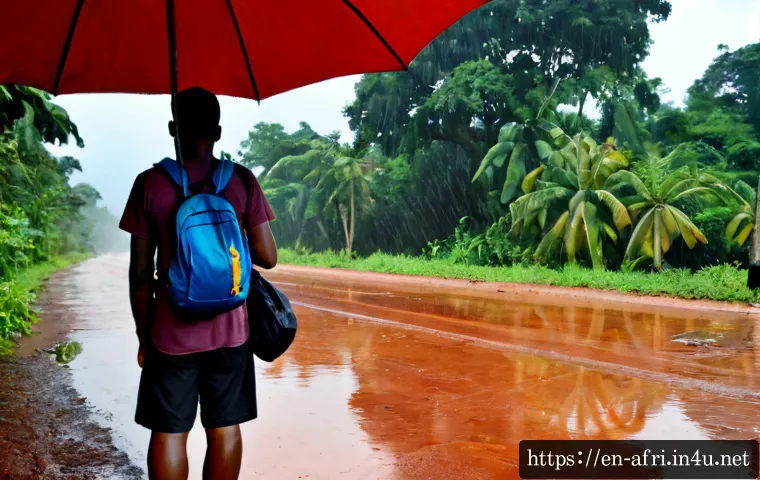
The rainy period, roughly May to October, can offer greener scenery but can also make unpaved roads and remote travel far less predictable. For wildlife and forest-focused trips, the best dates depend as much on specialist guided logistics as on weather.
Independent travelers should treat timing, transport, permits, security advice, and travel insurance as one connected plan. A flexible itinerary is usually more valuable than trying to find a perfect forecast.
At a Glance
- Most practical window: December to February is commonly among the drier periods and may support easier road-based logistics.
- Rainy-season trade-off: Travel from about May to October can mean greener landscapes, but rain may substantially slow access on unpaved routes.
- Plan as a package: Remote wildlife travel usually needs a specialist operator, flexible scheduling, suitable insurance, and confirmed transport support.
| Travel factor | Drier period: roughly November to April | Wetter period: roughly May to October |
|---|---|---|
| Road access | Generally more practical, especially for routes outside Bangui, though conditions still need confirmation. | Rain can make unpaved roads and remote routes substantially harder to use. |
| Comfort | Often drier, but temperatures can remain high. Harmattan conditions may bring dry, dusty air in some areas. | Wetter conditions may affect daily movement, packing needs, and outdoor comfort. |
| Wildlife and forest trips | Potentially simpler for expedition logistics when routes are usable. | Possible with the right setup, but schedules and access may require more flexibility. |
| Trip flexibility | Still important for changing security conditions, transport, and access rules. | Especially important because weather-related delays and route changes are more likely. |
| Planning costs | Compare guided safari packages, private transfers, permits, accommodation, and insurance terms carefully. | Build extra contingency funds in case weather changes transport, vehicle, or accommodation arrangements. |
When Is the Most Practical Time to Go?
Quick answer: why the drier months are usually easier
The Central African Republic has a tropical climate, with a generally drier period from about November to April and a wetter period from about May to October. For many visitors, December through February is a sensible starting point because it is commonly among the drier travel windows. This does not mean every route will be open or every day will be comfortable. It means rainfall is less likely to be the main obstacle when arranging road transport and remote travel.
Conditions outside Bangui deserve particular attention. Many routes depend on unpaved roads, and rain can affect both travel time and whether a route is usable at all. If your itinerary includes a remote lodge, forest area, or wildlife excursion, ask for a current route assessment before committing to fixed connections.
What “best time” means for weather, roads, and trip reliability
There is no single best season for every traveler. A visitor focused on practical transfers may value drier roads. A traveler interested in forest and wildlife experiences may care more about whether a specialist expedition operator can support the intended route. Someone visiting primarily for time in Bangui may have a different level of exposure to difficult road conditions than someone heading to remote areas.
Trip reliability should be your main comparison point. It includes weather, road access, domestic transport, accommodation availability, permits, and local security arrangements. A date that looks ideal on a climate chart may still be unsuitable if access rules or escorted transport arrangements change.
Why flexibility matters more than a perfect forecast
Exact rainfall, road conditions, flight schedules, and security conditions cannot be assumed far in advance. Build extra time around international arrivals, domestic transfers, and departure connections. Flexible dates can also make it easier for a guide or transport provider to adjust a route when conditions change.
For a remote itinerary, avoid treating a day-by-day plan as guaranteed. Instead, agree on the main destination, the transport approach, and the alternatives if a road or access point becomes unavailable.
Dry Season vs. Rainy Season: What Changes for Travelers?
November to April: drier routes, dustier conditions, and easier logistics
The generally drier months are often the better fit for travelers whose priority is overland movement. Drier conditions can improve the practicality of road travel, although route-specific confirmation is still essential. During the cooler dry-season months, the Harmattan can bring dry, dusty air to parts of the country. Pack with heat and dust in mind rather than assuming “dry” means cool.
December to February can be a useful choice for travelers comparing guided safari packages, private transfers, and remote expedition arrangements. However, a more workable season does not remove the need for advance permits, vehicle planning, local security advice, and contingency time.
May to October: heavier rain, greener landscapes, and slower travel
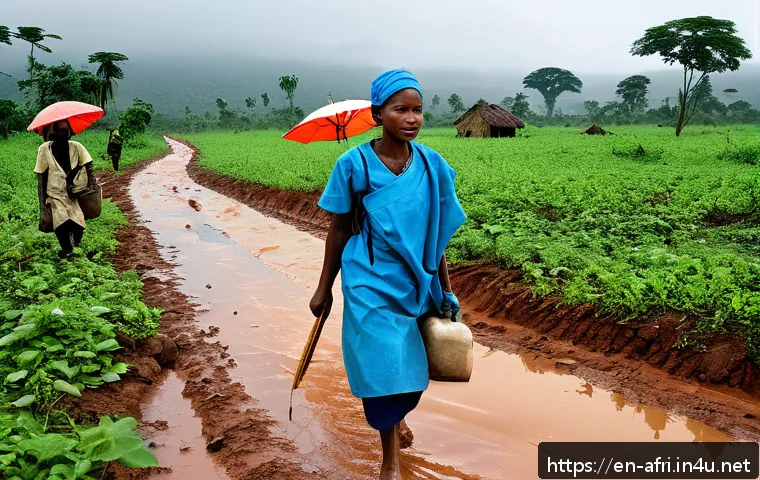
The wetter period may appeal to travelers who do not mind a less predictable schedule and are prepared for rain-related disruption. The key trade-off is access. Rainfall can make remote routes much harder to use, especially where travel depends on unpaved roads. A map may show a direct route, but it does not confirm that the route is currently passable.
If considering these months, choose a plan that allows route changes and additional travel time. Confirm whether the operator provides suitable vehicles, communications arrangements, and alternative transport options. Do not rely on a low initial quote if it leaves unclear who handles delays, changes, or emergency support.
Comparison table: weather, access, comfort, wildlife, and planning risk
The practical distinction is simple: the drier season usually favors easier logistics, while the wetter season requires a stronger tolerance for uncertainty. For either period, remote wildlife activities are not casual add-ons. They normally require specialist operators, advance logistics, and a schedule that can move when conditions demand it.
Match Your Dates to Your Travel Goal and Budget
Wildlife and forest excursions: when specialist planning matters most
Wildlife-focused travel, including visits to remote forest areas, should be planned with a specialist guided itinerary. The operator’s role may include transport coordination, local guide arrangements, route planning, permits, accommodation coordination, and adapting the schedule. Ask what is included rather than assuming that a tour price covers every transfer, permit, or support service.
Before choosing a guided safari or expedition package, ask which parts of the itinerary are dependent on road conditions, which services are fixed, and which may be adjusted. This is particularly important for travelers with limited time or onward flights.
Bangui-focused visits versus remote itineraries
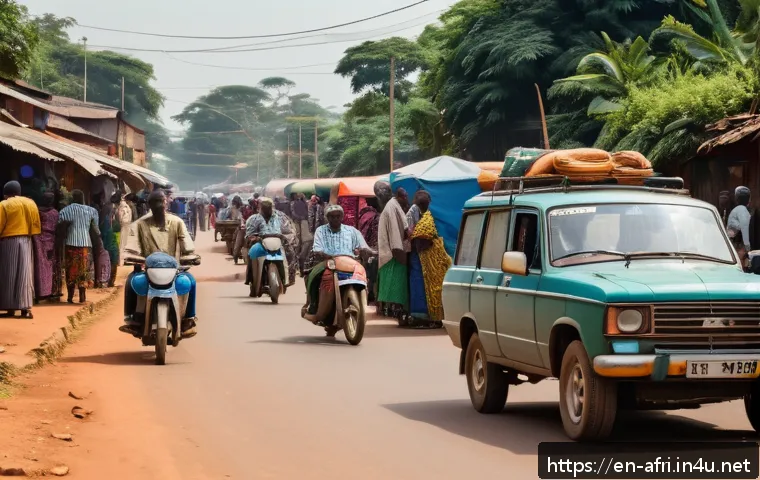
A Bangui-focused stay and a remote itinerary should not be planned in the same way. Remote travel brings more dependence on road conditions, local transport arrangements, access permissions, and security updates. A city-based itinerary may still require careful preparation, but it usually has fewer moving parts than a forest or expedition route.
Start by defining your actual goal: time in Bangui, a wider overland route, or a wildlife-focused journey. Then choose dates and transport based on the most difficult part of the trip, not the easiest one.
How seasonal access can affect guides, vehicles, permits, and accommodation costs
Seasonal access can affect the practical scope of a trip. A remote route may require a particular vehicle setup, a local driver, an escorted transfer, or schedule changes. Permits and accommodation arrangements may also need to be coordinated in advance. Availability, prices, and operating standards vary, so they must be checked directly with each provider.
Compare proposals line by line. A private transfer, guide, permit assistance, accommodation, and emergency support may be presented separately or bundled into an itinerary. The useful comparison is not simply the total price; it is what support is actually included if plans change.
Building a realistic budget in XAF and your home currency
The local currency is the Central African CFA franc (XAF). Build a budget that separates international flights from local trip costs. Include accommodation, local transfers, driver or guide services, permits where applicable, travel insurance, meals where not included, and contingency funds for changes.
Keep your home-currency estimate separate from the XAF working budget. Exchange conditions, supplier payment methods, and the final cost of services should be confirmed before booking. Carrying a realistic contingency amount matters because a route change can affect transport and overnight arrangements.
Plan for Transport, Documentation, Health, and Safety
Allow extra days for flight, road, and weather disruption
Leave buffer days before important onward flights or non-refundable plans. This is especially important when domestic travel or remote road transport is involved. Weather is only one variable; security conditions, access rules, and transport availability can also affect timing.
Questions to ask a tour operator or local transport provider
Ask direct questions before paying a deposit:
- Is the proposed route currently usable for the planned travel dates?
- What vehicle, driver, guide, and communication support are included?
- Which permits or local arrangements are the traveler responsible for confirming?
- What happens if weather, access rules, or security conditions require a route change?
- Are accommodation, private transfers, and escorted transport included or priced separately?
Travel insurance: evacuation, cancellation, and remote-area coverage checks

Travel insurance should be reviewed for the exact route, activities, and destinations in your plan. Check the policy wording for medical evacuation, trip cancellation or interruption, remote-area travel, and any exclusions relevant to your itinerary. Coverage is not automatic simply because a policy has been purchased.
Compare insurance options before making non-refundable payments. Confirm whether the planned areas, transport methods, and guided activities fit the policy conditions. If you are using a tour operator, ask what emergency support they provide independently of your insurance.
Confirm entry documents, vaccination requirements, and route-specific advice before booking
Visa rules, vaccination requirements, border access, permit procedures, and entry conditions can change. Confirm current requirements for your nationality through appropriate official sources before booking flights or tours. Also seek current route-specific security advice, because conditions in Bangui and remote regions may change quickly.
Common Timing Mistakes to Avoid
Booking non-refundable connections around a rigid itinerary
A tightly connected schedule can fail when a transfer, road journey, or local arrangement changes. Avoid placing a non-refundable international connection immediately after a remote itinerary. A buffer day is often a practical form of risk management.
Assuming a road is passable because it appears on a map
A mapped road is not a current road report. Ask a specialist operator, driver, or local transport provider about the specific route and dates. This matters throughout the year and becomes even more important during the wetter months.
Choosing the cheapest option without checking vehicle, guide, and emergency support
A low-cost quote may not include the parts of the trip that become important when conditions change. Confirm the vehicle type, driver experience, guide role, communications plan, accommodation arrangements, and procedure for itinerary changes. Compare the support structure, not just the headline price.
Underestimating heat, rain gear, communication limits, and cash needs
Dry-season travel can still be hot, and rainy-season travel requires practical weather protection. Remote areas may have communication limitations. Carry suitable clothing and equipment for the planned conditions, and make a cash plan in XAF that accounts for local services and contingencies.
Choosing the Right Season and Trip Setup
Choose December to February if easier overland logistics are your priority
If your priority is a more practical chance of using overland routes, December to February is commonly a strong starting window. It is still necessary to verify current road access, local transport, and security conditions close to departure.
Consider shoulder months only if your operator confirms route conditions
November, March, and April may work for some itineraries, but the decision should follow route-specific confirmation. Do not assume a broadly drier month will produce the same conditions across Bangui, remote roads, and forest destinations.
Use a specialist guided itinerary for remote wildlife or forest travel
For remote wildlife and forest travel, specialist guided logistics are usually the more realistic choice. Look for clear answers on permits, vehicles, local guides, accommodation, schedule flexibility, and emergency arrangements. Official guidance and detailed policy conditions should be checked on the relevant provider pages before booking.
Final checklist: dates, route, operator, insurance, permits, and contingency budget
Choose dates after confirming the route. Confirm the operator before paying for fixed flights. Check insurance before finalizing remote activities. Verify visas, vaccination requirements, permits, and current local advice before departure. Keep both time and funds available for a changed plan.
Selection Criteria and Comparison Summary
Use these checks before choosing a season or paying for travel services:
- Dates: Are you prioritizing the commonly drier December-to-February window, or accepting wetter-season uncertainty?
- Route: Has current road access been confirmed for every remote segment?
- Support: Does the guided tour, expedition package, or private transfer clearly state what happens if the route changes?
- Coverage: Does your travel insurance match the planned destinations, evacuation needs, and activity conditions?
- Budget: Have you included XAF expenses, guides, permits, transport, accommodation, and contingency funds?
Check the official guidance, operator terms, insurance policy wording, and transport details on the relevant pages before making a non-refundable booking.
In Closing
The best time to visit the Central African Republic depends on how much uncertainty your trip can absorb. December through February is often the most practical choice for travelers who prioritize generally drier conditions and easier overland logistics. Remote wildlife or forest travel requires more than favorable weather: it needs specialist planning, confirmed support, and room for changes. Treat flexibility as an essential part of the itinerary, not an optional extra.
Useful Information to Know
Currency: The Central African CFA franc is the local currency, abbreviated as XAF.
Climate pattern: The generally drier season runs roughly from November to April, while the wetter season is roughly May to October.
Dust: Harmattan conditions can bring dry, dusty air during cooler dry-season months in parts of the country.
Remote travel: Wildlife and forest excursions usually require advance logistics and flexible schedules.
Important Notes
Weather, road conditions, flight schedules, border access, visa rules, permits, and security conditions can change quickly. This guide cannot confirm the suitability of a specific date, provider, route, nationality, insurance policy, or medical situation. Verify current entry requirements, vaccination requirements, route access, security advice, and supplier operating details before booking or departing.
Frequently Asked Questions
Q1. What is the best month to visit the Central African Republic?
A1. December through February is commonly among the most practical periods because conditions are generally drier and road-based travel may be easier. It is not a guarantee of access, comfort, or security, so confirm current route conditions and local advice before finalizing plans.
Q2. Is the Central African Republic suitable for independent travel, or is a guided tour better?
A2. A specialist guided itinerary is usually the more practical option for remote wildlife areas and forest travel. These trips often require advance logistics, local transport coordination, permits, flexible schedules, and current security awareness. The suitability of independent travel depends on the exact route and current conditions.
Q3. How much should travelers budget for a Central African Republic trip, including guides and transport?
A3. Costs vary by route, season, provider, transport setup, accommodation, permits, and insurance needs. Build a budget in XAF and your home currency that includes international flights, local transfers, guides, accommodation, permits where applicable, travel insurance, and contingency funds. Confirm current prices and inclusions directly with providers before booking.