Have you ever felt a rhythm so powerful it transcends language, connecting you directly to the heart and soul of a culture? I recently dove into the incredibly rich and vibrant world of traditional dances from the Central African Republic, and let me tell you, it’s an experience that will ignite your imagination.
It’s easy to get caught up in the daily grind, but sometimes, stepping back to appreciate the profound artistry and history embedded in global traditions can be truly eye-opening.
These aren’t just steps; they’re living stories, passed down through generations, embodying celebrations, rituals, and the very spirit of a resilient people.
I’ve always been captivated by how movement can express so much, and the dances here offer a stunning tapestry of human emotion and cultural depth. If you’re ready to journey into a captivating realm of rhythm, history, and community, you’re in for a treat.
Let’s delve deep into this fascinating world and uncover its hidden gems together.
The Rhythmic Heartbeat: Unveiling Central Africa’s Dance Traditions
More Than Just Movement: A Cultural Tapestry
When I first delved into the traditional dances of the Central African Republic, what immediately struck me wasn’t just the sheer athleticism or intricate footwork, but the profound sense of narrative embedded in every sway and stomp.
It’s truly a living art form, far removed from the choreographed performances we often see in modern entertainment. Each dance, I quickly learned, is a vibrant thread woven into the rich tapestry of daily life, celebrating everything from bountiful harvests and rites of passage to solemn spiritual ceremonies.
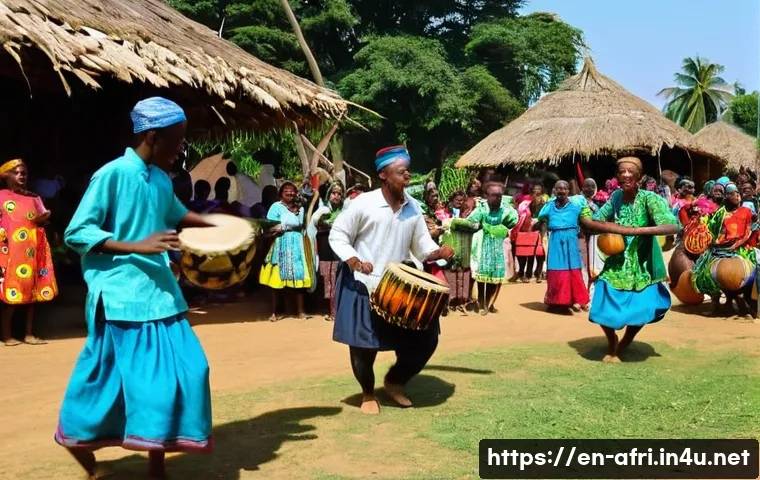
I remember watching a group perform, and the energy was so infectious, so raw and authentic, it felt like I was witnessing a piece of history unfold right before my eyes.
The dancers moved with an almost ethereal grace, yet with a powerful groundedness that spoke volumes about their connection to the land and their heritage.
It’s an experience that truly transcends language, allowing you to feel the very pulse of a culture.
Echoes of Ancestors: Spiritual and Ceremonial Dances
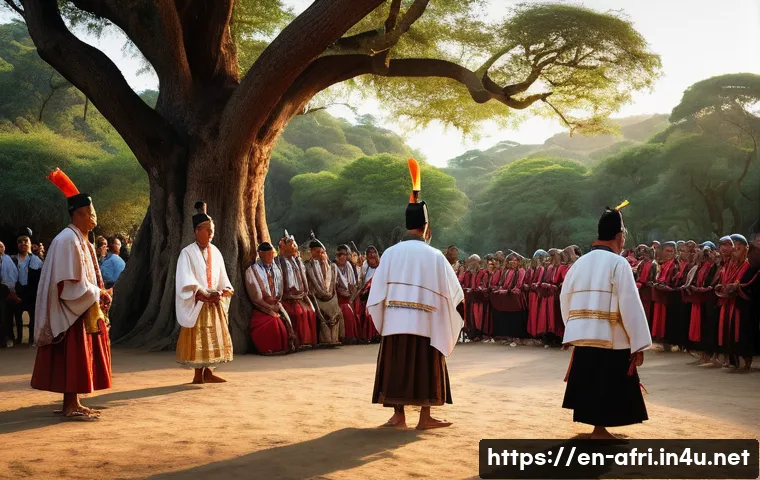
Many of these dances carry deep spiritual significance, acting as conduits between the present and the ancestral realm. I’ve personally seen how these performances are not merely entertainment but vital components of spiritual rituals, often used to invoke blessings, communicate with spirits, or offer gratitude.
The drummers, often elders with years of experience, set a hypnotic pace, their beats guiding the dancers into a trance-like state. It’s a powerful spectacle, full of symbolism that might not be immediately obvious to an outsider, but the emotional resonance is undeniable.
The movements, the costumes adorned with natural materials, the chants – all combine to create an atmosphere charged with ancestral wisdom and communal reverence.
It reminds me how deeply rooted these traditions are, and how they continue to provide a sense of identity and continuity for the people.
Community in Motion: How Dance Binds the Central African People
Celebrations and Social Unity
One of the most heartwarming aspects I discovered is how these dances serve as powerful unifying forces within communities. Imagine a village square, bustling with excitement, as people of all ages gather to participate.
It’s not about being a professional dancer; it’s about coming together, celebrating life, and reinforcing social bonds. I’ve joined in on a few simpler steps during local festivities, and the feeling of shared joy, of moving in unison with others, is incredibly potent.
These aren’t just spectacles for an audience; they are interactive experiences where everyone has a role, whether dancing, drumming, singing, or cheering.
This collective participation strengthens community ties, resolves disputes, and passes down cultural knowledge from one generation to the next. It’s a beautiful testament to the power of shared experience and cultural continuity.
Rites of Passage and Traditional Storytelling
Beyond mere celebration, many dances are intricately linked to rites of passage, marking significant milestones in an individual’s life, such as birth, initiation into adulthood, marriage, and even death.
These are often complex and lengthy performances, rich in symbolism, designed to educate, guide, and support individuals through major life transitions.
I found it fascinating how each step, each gesture, tells a part of a story, embodying history, morality, and social values. It’s a living library of their heritage, passed down not through written texts, but through the vibrant, kinetic language of dance.
The elders play a crucial role, guiding the younger participants, ensuring the traditions are maintained with accuracy and respect. It’s a powerful way to instill a sense of belonging and cultural pride in the younger generations.
Unlocking the Secrets of the Sango Beat: Instruments and Sounds
The Soul of the Rhythm: Drums and Percussion
You simply cannot talk about Central African dance without highlighting the incredible array of musical instruments, particularly the drums and percussion.
They are, quite literally, the heartbeat of every performance. I’ve been mesmerized by the skill of the drummers, who can coax an astounding variety of sounds and rhythms from their instruments.
From the deep, resonant thud of a large ceremonial drum to the sharp, crackling rhythm of smaller hand drums and rattles, each instrument contributes to a layered, complex soundscape.
These aren’t just accompaniments; they are integral partners in the dance, often dictating the tempo, mood, and even the specific movements. The drummers and dancers often have an almost telepathic connection, reacting to each other’s nuances in real-time, creating a truly dynamic and immersive experience.
Melodic Accents: Xylophones and String Instruments
While drums often take center stage, the rich sound palette of Central African traditional music extends far beyond percussion. I’ve encountered some truly captivating melodies played on xylophones, often crafted from local wood and gourds, producing a warm, earthy tone that complements the rhythmic drive of the drums beautifully.
There are also various stringed instruments, from simple one-stringed lutes to more complex harps, which add a delicate, often haunting, melodic layer.
These instruments aren’t just for background; they often carry the main tune, adding another dimension to the storytelling aspect of the dances. Listening to the intricate interplay between the rhythmic and melodic elements, it’s clear that this music is a sophisticated art form in itself, capable of evoking a wide range of emotions.
From Village Squares to Global Stages: The Enduring Legacy of CAR Dance
Preserving Ancient Traditions in a Modern World
It’s no secret that traditional art forms globally face challenges in the modern era, but I’ve been genuinely inspired by the efforts to preserve Central African dances.
Local communities, cultural organizations, and even some international bodies are working tirelessly to document, teach, and promote these invaluable traditions.
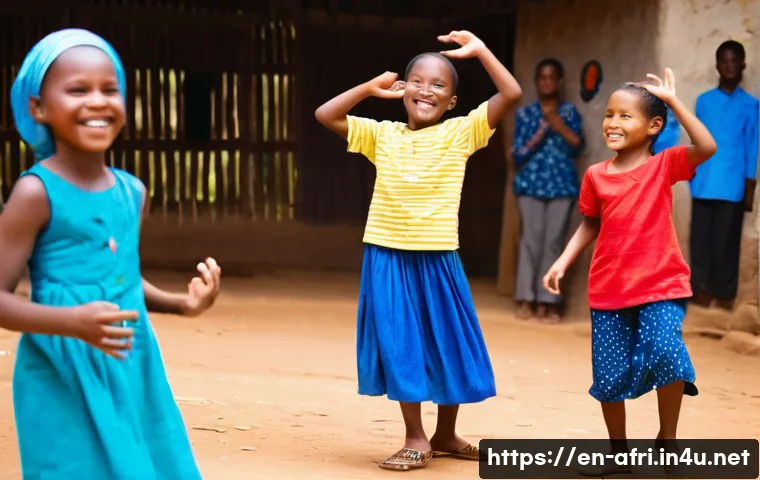
I’ve met passionate individuals who dedicate their lives to ensuring these ancient rhythms and movements are not lost to time, passing them on to younger generations through dedicated workshops and cultural events.
It’s a vital effort, as these dances are not just historical artifacts but living, breathing expressions of identity and heritage. Their commitment truly shows how much these traditions mean to the people.
A Universal Language: Central African Dance on the World Stage
While deeply rooted in local customs, the beauty and power of Central African dance are increasingly finding appreciation on the global stage. I’ve noticed a growing interest from international audiences and performing arts groups, keen to experience and even collaborate with these vibrant traditions.
This exposure not only helps in the preservation efforts by generating awareness and support but also allows the rich culture of the Central African Republic to reach a wider audience.
When these dancers perform outside their home communities, they become cultural ambassadors, sharing stories and emotions that transcend geographical boundaries.
It’s a wonderful example of how art can build bridges between diverse cultures, fostering understanding and appreciation worldwide.
My Personal Journey into the Soul of Central African Rhythm
First Impressions and Deepening Appreciation
When I first experienced these dances, I confess, I was taken by the sheer spectacle, the vibrant colors, and the raw energy. But as I spent more time, observing and listening, my appreciation deepened immeasurably.
I began to see beyond the surface, recognizing the intricate layers of meaning, the historical echoes, and the profound emotional depth. It wasn’t just a performance anymore; it became a portal into a rich and complex world.
The way the community embraces these dances, not as mere entertainment but as an essential part of their being, truly left an indelible mark on my heart.
I’ve always believed that travel enriches the soul, but experiences like these are what truly transform your perspective on humanity.
Connecting Through Movement: A Personal Anecdote
There was one particular evening during a local festival where I was invited to try some basic steps. My attempts were, to put it mildly, clumsy. Yet, the elders and young people alike embraced my fumbling efforts with such warmth and encouragement.
They clapped along, laughing good-naturedly, and even offered gentle guidance. In that moment, moving (or attempting to move) with them, I felt an incredible connection, a sense of belonging that few other experiences have ever given me.
It wasn’t about perfect execution; it was about participation, about sharing in their joy and tradition. It solidified for me that these dances are not just about showing skill, but about fostering community and sharing cultural pride.
It was a truly unforgettable human experience.
| Dance Type / Purpose | Common Characteristics | Associated Instruments |
|---|---|---|
| Initiation Dances | Often performed during rites of passage for young adults, teaching community values and history. Can be complex and lengthy. | Large ceremonial drums, rattles, flutes |
| Harvest Celebration Dances | Joyful, energetic, expressing gratitude for bountiful harvests. Often involve communal participation and lively rhythms. | Smaller hand drums, bells, xylophones |
| Spiritual/Healing Dances | Performed by specific individuals or groups to invoke spirits, offer prayers, or for healing purposes. Can be trance-inducing. | Gourd rattles, specialized drums, melodic string instruments |
| Social/Recreational Dances | Performed during community gatherings, parties, and celebrations for pure enjoyment and social interaction. Often simpler, more accessible steps. | Various drums, clappers, singing |
Wrapping Things Up
And there you have it, folks! My journey through the vibrant, heartfelt world of Central African dance has been nothing short of a revelation. It’s more than just a performance; it’s a living, breathing connection to history, community, and the very soul of a people. I sincerely hope my experiences have given you a glimpse into the profound beauty and significance of these traditions, and perhaps even sparked a little curiosity in your own heart to learn more. It truly reminds us how much richer the world is when we embrace and celebrate diverse cultures.
Good-to-Know Information
1. If you ever find yourself with the chance to witness Central African traditional dance, especially in a local setting, don’t just observe! Often, the community encourages participation, even if it’s just clapping or learning a few basic steps. Embrace it; it’s an incredible way to connect and show respect.
2. Keep an ear out for the diverse instruments. While drums are prominent, the subtle melodies of xylophones and unique string instruments add a rich layer to the soundscape. Each one tells a part of the story, and truly listening enhances the entire experience.
3. Remember that many traditional dances are deeply tied to specific ceremonies or rites of passage. Understanding the context – whether it’s a harvest celebration or an initiation ritual – will deepen your appreciation for the movements and the overall meaning.
4. Supporting local cultural initiatives is crucial for the preservation of these art forms. If you’re traveling, consider seeking out community-led cultural centers or local guides who are passionate about sharing their heritage responsibly.
5. While the energy can be infectious, always be mindful and respectful of local customs and traditions. A little research beforehand on etiquette can go a long way in ensuring a positive and respectful cultural exchange.
Key Takeaways
Central African dance is a powerful, multifaceted cultural expression, embodying spiritual depth, community unity, and historical narratives. It’s a dynamic art form driven by intricate rhythms and diverse instruments, constantly evolving yet firmly rooted in ancient traditions. Witnessing these dances offers a unique and deeply human insight into the heart and soul of its people.
Frequently Asked Questions (FAQ) 📖
Q: What truly sets the traditional dances of the Central
A: frican Republic apart from others I might know? A1: Oh, this is such a fantastic question, and one I often ponder myself! When I first delved into the dances from the Central African Republic, I honestly expected some similarities with other African dance forms I’d encountered.
But let me tell you, there’s a raw, almost visceral energy here that felt uniquely powerful. What really struck me, what truly makes them stand out, is how deeply intertwined they are with the very fabric of community and spirituality.
These aren’t just performances; they’re living, breathing narratives, embodying spiritual connections and communal bonds in a way that just resonates deep within your soul.
Each step, every sway of the hip, the intricate isolations of the body – it all tells a story, often one passed down through generations. You can feel the history, the beliefs, and the collective spirit of the people in every movement.
It’s not enough to just mimic the steps; to truly understand, you have to immerse yourself in the culture, the rhythm, and the profound meaning behind each dance.
I remember watching a troupe, and it felt like they were channeling ancestral wisdom right there on the spot. It’s a completely immersive experience, far beyond what you might typically see in a staged performance, drawing you into a world where rhythm truly speaks when words fail.
Q: Are these vibrant traditions still alive and well today, or are they mostly historical curiosities?
A: This is a question close to my heart because I’ve seen firsthand how resilient and dynamic these traditions are! It’s easy to assume that in our fast-paced world, such ancient practices might fade away, becoming mere historical footnotes.
But in the Central African Republic, it’s quite the opposite. These dances are not just surviving; they are thriving, evolving, and playing an absolutely crucial role in modern life.
From what I’ve experienced and researched, traditional performance arts have really re-emerged as powerful bridges, helping communities come together, especially after periods of strife.
I’ve learned about Gbaya, Zande, and Banda dances, which were once at risk, now being central to healing ceremonies, interfaith gatherings, and even civic meetings!
The government, through entities like the National Ballet, is actively working to preserve this rich heritage, with dancers rehearsing regularly and even being integrated into the civil service.
Can you imagine that? It truly shows their commitment. You’ll find these incredible expressions of culture at vibrant festivals like the Bouar Festival and the Festival of Bangui, where different ethnic groups celebrate their diversity.
And honestly, for many, these dances are more than just entertainment; they’re a vital part of social cohesion, a way to remember who they are and rebuild connections.
Q: What’s the deeper meaning or purpose behind these captivating movements?
A: Ah, now we’re getting to the heart of it! This is where the magic truly unfolds. For me, the most captivating aspect of CAR’s traditional dances isn’t just the beauty of the movement, but the incredible depth of purpose behind each one.
These dances are far from superficial; they are integral to so much more than just a good time. They serve as cultural textbooks, passing down knowledge, history, and moral lessons from one generation to the next.
They’re woven into the very fabric of communal life, marking significant milestones like initiation rites, coming-of-age ceremonies, and bountiful harvest festivals.
But beyond celebration, they carry immense spiritual weight, embodying traditions and beliefs that often stem from a deep reverence for ancestors. I’ve heard stories of how these movements can even facilitate healing and reconciliation, helping people process trauma and rebuild trust after conflict.
As one local griot so beautifully put it, “When words fail, rhythm speaks. Through rhythm, we remember who we are – and each other.” It’s this profound ability to unite, to tell stories without words, to connect the past with the present, and to infuse life with meaning and resilience that makes these dances so utterly, undeniably captivating.
It’s a full-body experience of cultural identity and communal spirit.