The healthcare system in the Central African Republic faces immense challenges that often go unnoticed on the global stage. With ongoing conflicts and limited resources, access to quality medical care remains a daily struggle for many.
Yet, amid these hardships, innovative solutions are emerging, driven by local communities and international partnerships. In this post, we’ll explore the current crisis, highlight inspiring breakthroughs, and discuss the hopeful path forward.
If you’ve ever wondered how resilience shapes healthcare in the world’s most fragile settings, this journey into CAR’s medical landscape offers valuable insights.
Stay with me as we uncover the realities and the possibilities ahead.
Barriers to Healthcare Access in Remote and Conflict Zones
Geographical Isolation and Infrastructure Challenges
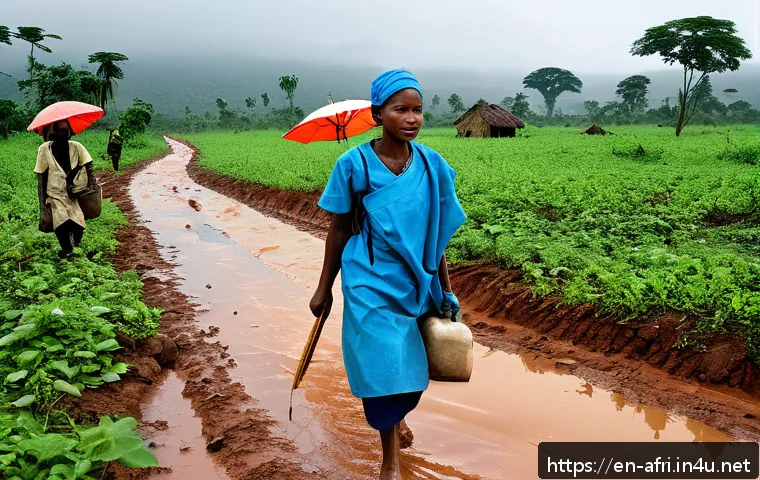
Many parts of the Central African Republic (CAR) are extremely isolated due to poor road networks and limited transportation options. Villagers often need to travel for hours or even days on foot to reach the nearest health center, which itself may be poorly equipped.
The rainy season worsens accessibility, turning dirt roads into impassable mud, effectively cutting off entire communities from essential services. From my conversations with aid workers, it’s clear that the lack of reliable infrastructure not only delays treatment but also discourages people from seeking care until conditions become critical.
Security Concerns and Ongoing Conflict Impact
The persistent presence of armed groups and sporadic violence create an atmosphere of fear and instability. Health facilities sometimes become targets or are forced to close temporarily, leaving locals with no alternatives.
Even when clinics remain open, healthcare workers often face threats or are unable to safely travel, leading to severe staff shortages. This insecurity compounds existing challenges, making it nearly impossible for many residents to receive routine vaccinations, prenatal care, or emergency interventions.
Economic Barriers and Healthcare Costs
With the majority of the population living below the poverty line, out-of-pocket expenses for medical services, medicines, and transportation present significant hurdles.
Even nominal fees can deter families from seeking timely treatment. My discussions with community members revealed heartbreaking stories where parents delayed taking sick children to clinics due to lack of funds, often resulting in preventable deaths.
While some NGOs provide free services, these efforts are sporadic and cannot meet the overwhelming demand.
Community-Led Innovations Transforming Care Delivery
Training and Empowering Community Health Workers
Local initiatives have focused on training community health workers (CHWs) who live within the villages they serve. These CHWs bridge the gap between formal health facilities and remote populations by providing basic care, health education, and referrals.
Their deep understanding of local culture and language fosters trust and encourages healthier behaviors. Personally, I’ve seen how empowering locals not only expands coverage but also builds resilience within communities, especially where external aid is inconsistent.
Mobile Clinics and Telemedicine Pilot Programs
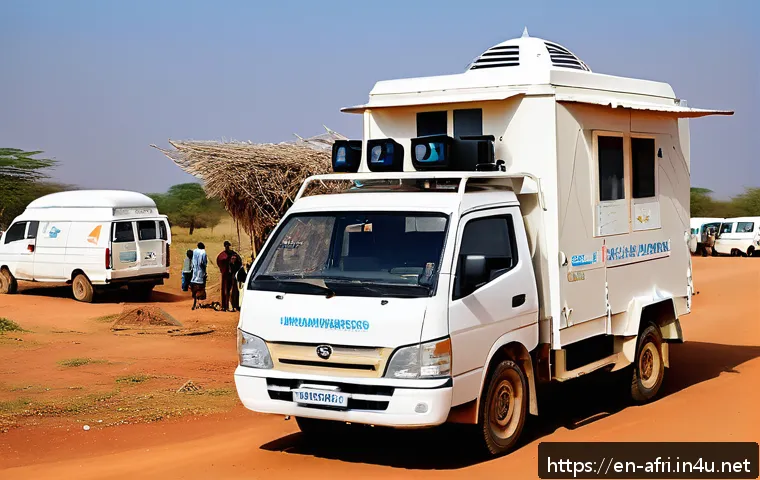
Innovative mobile clinics equipped with essential medicines and staffed by rotating medical teams have been deployed to reach hard-to-access areas. Some programs incorporate telemedicine, connecting CHWs or nurses with doctors based in urban centers via satellite or mobile networks.
Though still in early stages, these efforts have shown promising results in diagnosing and managing chronic diseases, maternal health, and pediatric care.
In conversations with healthcare providers, the excitement about this technology is palpable, as it offers a glimpse of hope amid scarcity.
Local Production of Medical Supplies and Traditional Remedies
To reduce dependence on imports, some communities have begun producing simple medical supplies locally, such as wound dressings and herbal remedies validated by both traditional knowledge and scientific research.
These approaches not only improve availability but also respect cultural practices, which encourages acceptance. From my field visits, it’s inspiring to witness how blending tradition with innovation creates sustainable solutions that are cost-effective and culturally sensitive.
International Partnerships and Funding Dynamics
Role of Multilateral Organizations and NGOs
Organizations like WHO, UNICEF, and Médecins Sans Frontières play critical roles in providing funding, training, and logistical support. Their presence helps stabilize some healthcare services and coordinates emergency responses during outbreaks or conflict flare-ups.
However, the scale of need far exceeds available resources, leading to tough prioritization decisions. Experienced aid workers often express frustration about the disconnect between donor priorities and local realities, underscoring the importance of inclusive planning.
Challenges in Sustaining Long-Term Investments
While emergency aid is vital, sustainable healthcare improvements require long-term commitment. Unfortunately, political instability and limited government capacity complicate efforts to build permanent infrastructure or implement nationwide health policies.
Donor fatigue and shifting global attention further threaten continuity. Experts I’ve spoken with emphasize that without sustained funding and local ownership, gains risk being lost as soon as crises subside.
Innovative Financing Models and Private Sector Involvement
New financing approaches, such as results-based funding and micro-insurance schemes, are being piloted to improve accountability and affordability. Some private companies are also exploring partnerships to introduce affordable health technologies or expand supply chains.
Although still nascent, these models hold potential to complement traditional aid and foster more resilient health ecosystems. From my perspective, encouraging local entrepreneurship alongside external support could be a game changer.
Key Health Indicators and Resource Distribution
| Indicator | Value | Comparison to Regional Average | Implication |
|---|---|---|---|
| Life Expectancy at Birth | 53 years | ~15 years lower | Reflects high mortality from infectious diseases and conflict |
| Infant Mortality Rate | 92 per 1,000 live births | Double regional average | Indicates inadequate maternal and neonatal care |
| Physicians per 10,000 people | 0.3 | Far below WHO recommendation of 10 | Severe shortage of qualified medical staff |
| Health Expenditure per Capita | $22 | Less than 1/5 of regional average | Reflects insufficient funding and resource allocation |
Addressing Mental Health Amid Crisis and Displacement
Psychosocial Support Programs in Conflict Zones
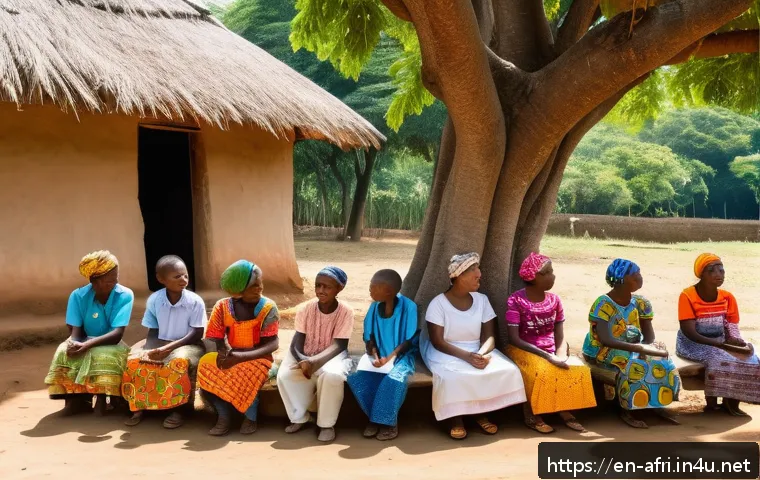
Mental health is often overlooked in emergency settings, yet the trauma from violence, displacement, and loss deeply affects communities. Several NGOs have introduced psychosocial support groups and counseling services, sometimes integrated within primary care.
These programs help survivors cope with stress and rebuild social ties. From what I gathered, participants often describe these sessions as lifelines, providing emotional relief and a sense of hope amidst chaos.
Challenges in Cultural Perceptions and Stigma
Despite growing awareness, mental health remains stigmatized in many communities, preventing people from seeking help. Traditional beliefs sometimes interpret symptoms differently, complicating diagnosis and treatment.
Health workers emphasize the need for culturally sensitive education campaigns to normalize conversations about mental wellness. In my experience, involving respected local leaders in awareness efforts significantly improves acceptance.
Training Local Staff and Building Capacity
Sustainable mental health care depends on training local providers to recognize and manage common disorders. Task-shifting strategies, where non-specialists deliver basic mental health services, have been effective in CAR.
This approach addresses workforce shortages and ensures continuity even when international staff rotate out. Observing these programs, it’s clear that building local capacity not only enhances care but also empowers communities to support their own healing processes.
Nutrition and Disease Prevention Strategies
Combating Malnutrition in Vulnerable Populations
Chronic malnutrition affects a significant portion of children under five, impairing growth and immune function. Food insecurity driven by conflict and displacement exacerbates the problem.
Nutrition programs focusing on supplementary feeding, breastfeeding promotion, and micronutrient supplementation have been scaled up, but challenges remain.
I’ve seen how consistent community engagement and education are vital for improving feeding practices and preventing relapse.
Vaccination Campaigns and Infectious Disease Control
Vaccination coverage is patchy, largely due to access barriers and insecurity. Outbreaks of measles, malaria, and other preventable diseases periodically strain the fragile system.
Coordinated mass immunization campaigns supported by international partners have made progress, yet maintaining cold chains and reaching nomadic groups requires ongoing innovation.
Healthcare workers share stories of heroic efforts to immunize children in remote areas despite numerous obstacles.
Water, Sanitation, and Hygiene (WASH) Initiatives
Improved WASH conditions are essential for disease prevention but remain inadequate in many parts of CAR. Efforts to install clean water sources, latrines, and hygiene education programs have shown positive health impacts.
From my visits, communities that actively participate in maintaining WASH facilities report fewer diarrheal diseases and better overall health outcomes, highlighting the importance of local ownership.
Future Directions: Building Resilience and Hope
Strengthening Local Health Governance
Empowering local authorities to plan, manage, and monitor health services is critical for sustainability. Decentralization efforts aim to increase accountability and responsiveness.
While political instability complicates these reforms, committed leadership at regional levels can drive meaningful change. Insights from experts suggest that fostering transparent partnerships between communities and governments will enhance trust and improve service delivery.
Investing in Health Workforce Development
Expanding training programs for doctors, nurses, and allied health professionals is a top priority. Scholarships, continuous education, and incentives to work in rural areas are needed to address shortages.
I have encountered several young health workers who, despite limited resources, are passionate about serving their communities. Supporting their development is key to breaking the cycle of dependency on external aid.
Leveraging Technology for Sustainable Solutions
The growing penetration of mobile phones opens new avenues for health communication, data collection, and remote consultations. Digital tools can enhance disease surveillance and patient follow-up, even in challenging environments.
Based on pilot projects I’ve reviewed, technology holds great promise but requires careful adaptation to local contexts and ongoing training to maximize impact.
Conclusion
Addressing healthcare challenges in remote and conflict-affected areas requires a multi-faceted approach that combines community empowerment, innovative technology, and sustained international support. Progress is being made through local initiatives and partnerships, but long-term resilience depends on ongoing investment and inclusive governance. Together, these efforts offer hope for improved health outcomes despite persistent obstacles.
Helpful Information to Know
1. Training community health workers is vital for extending care in hard-to-reach areas and building trust within local populations.
2. Mobile clinics and telemedicine are emerging solutions that improve access to essential medical services despite infrastructural barriers.
3. Economic hardships significantly limit healthcare access, making affordable or free services essential for vulnerable groups.
4. Mental health support, although often overlooked, plays a crucial role in recovery and resilience amid ongoing crises.
5. Sustainable healthcare improvements rely on strengthening local governance, workforce development, and adapting technology to fit community needs.
Summary of Key Points
Healthcare access in remote and conflict zones faces severe challenges including geographic isolation, insecurity, and economic constraints. Community-led innovations such as training local health workers and deploying mobile clinics show promise in bridging gaps. International partnerships provide crucial support but require alignment with local priorities for lasting impact. Addressing mental health, nutrition, and disease prevention remains critical, while future progress hinges on empowering local systems and embracing technology tailored to the context.
Frequently Asked Questions (FAQ) 📖
Q: uestionsQ1: What are the main challenges affecting healthcare access in the Central
A: frican Republic? A1: The Central African Republic faces several critical hurdles in healthcare access, primarily due to ongoing conflict, political instability, and severe resource shortages.
Many health facilities are damaged or understaffed, and medical supplies are scarce. Geographic isolation and poor infrastructure make reaching clinics difficult, especially for rural populations.
Additionally, economic hardship limits individuals’ ability to pay for care, exacerbating the struggle to receive timely and quality medical treatment.
Q: How are local communities and international partners addressing healthcare issues in C
A: R? A2: Despite the hardships, local communities demonstrate remarkable resilience by organizing grassroots initiatives such as community health worker programs and mobile clinics.
These efforts help bridge gaps in care delivery. International organizations collaborate by providing funding, training, and essential supplies, while also supporting vaccination campaigns and maternal health services.
This combined approach creates pockets of hope where innovation and cooperation help improve health outcomes, even under challenging conditions.
Q: What hopeful developments could improve the healthcare system in the future?
A: Positive changes are emerging through strengthened partnerships and technology adoption. Telemedicine and mobile health platforms are slowly gaining traction, enabling remote diagnosis and consultation where doctors are scarce.
Investment in healthcare infrastructure and education is gradually increasing, backed by international aid focused on sustainability. If these trends continue, along with peace-building efforts, the healthcare system in CAR could become more resilient, accessible, and effective for its population over time.