Hey fellow adventurers! Have you ever dreamt of truly escaping the ordinary, diving headfirst into a journey that promises not just sights, but profound, soul-stirring experiences?
If you’re anything like me, the allure of the unexplored, the whisper of ancient rivers, probably calls to your very core. That’s exactly how I felt when I first heard about a Congo River tour cutting right through the heart of the Central African Republic.
Forget your typical resort getaways; this is about raw, unfiltered nature and culture, a genuine deep dive into one of the world’s last true wildernesses.
In an age where authentic, impactful travel is becoming the ultimate luxury, an expedition like this doesn’t just stand out—it’s a revelation. It’s not merely a trip; it’s a profound testament to the power of immersive discovery, a chance to reconnect with something primal and magnificent that frankly, we often lose touch with in our modern lives.
This is the kind of adventure that carves out stories you’ll tell for a lifetime, and honestly, I can’t wait to share my insights with you on what makes this journey so incredibly special and why it’s on everyone’s radar for truly unique travel.
Let’s truly discover what awaits us on this incredible journey!
Navigating the Unseen: My First Impressions of the Congo’s Depths
The Thrill of the Unknown: Stepping Aboard My Riverine Home
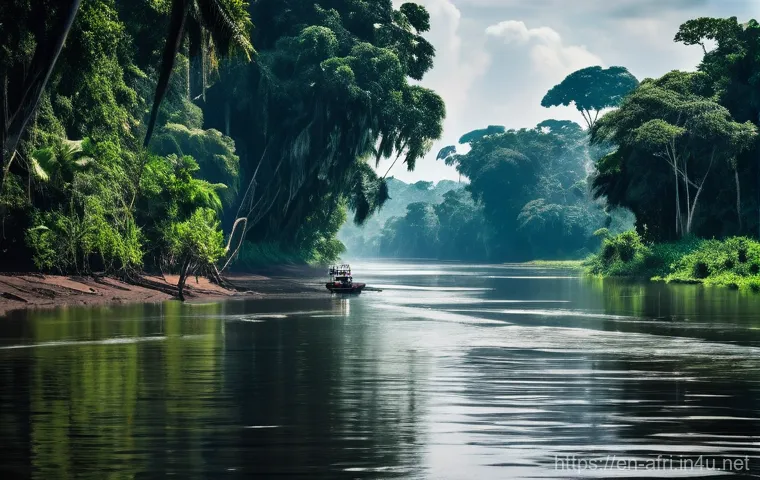
You know that feeling when you’re about to embark on something truly monumental, something that feels like it’s pulled right from the pages of a classic adventure novel? That’s exactly what washed over me as I first set foot onto the humble, yet sturdy, riverboat that would become my home for the next few weeks. The air was thick with humidity, a chorus of unseen insects already humming their ancient melodies, and the faint, earthy scent of the river itself was an intoxicating perfume. I’d spent months poring over maps, dreaming of this moment, but nothing, absolutely nothing, could have prepared me for the sheer, visceral thrill of standing there, on the edge of the known, ready to dive headfirst into one of the world’s last true wildernesses. My heart was pounding, a drumbeat echoing the rhythm of the river, and honestly, a tiny part of me thought, “What have I gotten myself into?” But that fear quickly morphed into an exhilarating sense of wonder. The river stretched out before us, a shimmering, serpentine path disappearing into the verdant, dense jungle. It wasn’t just a body of water; it felt like a living, breathing entity, promising secrets and stories around every bend. I remember taking a deep breath, looking around at the diverse group of fellow adventurers, and realizing that this wasn’t just a trip; it was a pilgrimage into the soul of Africa, and I was finally here, ready for whatever it had to offer.
The River’s Embrace: First Glimpses of a Primal World
As our boat gently pulled away from the shore, the mundane world seemed to melt away behind us, replaced by an overwhelming sense of timelessness. The river wasn’t just a means of transport; it was the main character, dictating our pace, our perspective, and our destiny. On those initial hours, I found myself completely captivated by the ever-changing tapestry of the riverbanks. Towering trees, so ancient they seemed to whisper forgotten histories, lined the water’s edge, their roots snaking down to drink from the Congo’s lifeblood. Every now and then, a flash of vibrant color – a kingfisher darting by, or a butterfly with wings like stained glass – would break the endless green. The sounds were just as mesmerizing: the gentle lapping of water against the hull, the distant cries of unseen birds, and the occasional splash of something big moving beneath the surface. It was a sensory overload in the most incredible way possible, a constant reminder that we were merely guests in this magnificent, untamed realm. I felt an immediate connection, a sense of belonging that surprised me, as if the river was welcoming us into its ancient embrace, inviting us to shed our modern anxieties and simply be present.
Dispelling Myths: What I Learned on Day One
Before this journey, I’d heard all sorts of tales about the Congo River – some thrilling, some a little daunting. The media often paints a picture of impenetrable wilderness and formidable challenges. While it certainly is wild, what struck me most on that very first day was how quickly many of those preconceived notions began to crumble. Yes, it’s remote, and yes, it requires a certain spirit of adventure, but it’s not the fearsome, unapproachable place some might imagine. Instead, I discovered a profound, almost serene beauty. The local communities we passed, their eyes sparkling with curiosity and warmth, waved to us from their canoes, their laughter echoing across the water. The guides, with their encyclopedic knowledge of the river and its inhabitants, exuded a calm competence that instantly put any lingering anxieties to rest. I realized that the true story of the Congo isn’t one of danger, but of life, resilience, and an unparalleled connection to nature. It’s a place that asks for respect, yes, but in return, it offers an immersion into a world so authentic and rich that it reshapes your entire perspective. It’s about slowing down, observing, and truly listening to the rhythm of the wild, and by the end of that first day, I was already hooked.
A Symphony of Sights and Sounds: Wildlife Encounters Up Close
Guardians of the Canopy: Spotting Primates in Their Natural Habitat
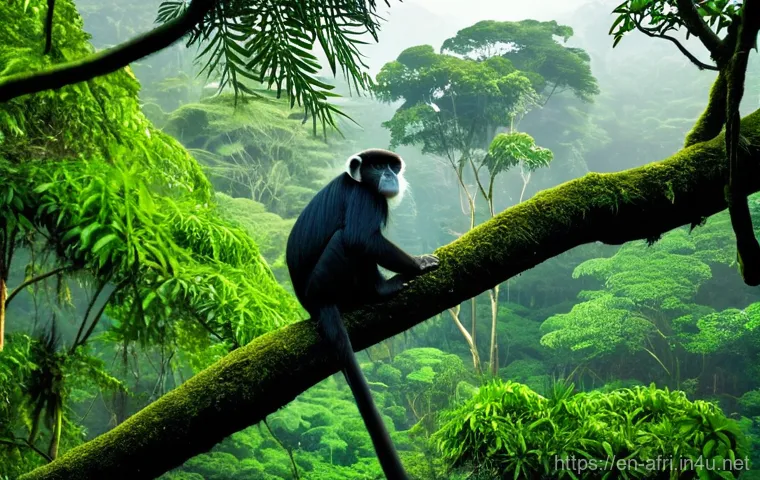
There’s nothing quite like the thrill of a genuine wildlife sighting, and on the Congo, these moments felt almost sacred. I remember one morning, the mist still clinging to the treetops, when our guide, with an almost supernatural intuition, pointed silently towards a dense patch of forest. We all held our breath, squinting, until a flash of movement revealed a family of colobus monkeys, their striking black and white fur stark against the emerald foliage. They moved with such grace and agility, leaping effortlessly between branches, their long tails trailing behind them like elegant banners. It wasn’t a zoo enclosure; this was their home, and we were privileged observers. Later, we heard the distinct calls of chimpanzees, a chorus of hoots and screeches that sent shivers down my spine. While spotting them required patience and a bit of luck, just knowing they were there, thriving in this untouched expanse, was a profound experience. These aren’t just animals; they’re the vibrant guardians of this incredible ecosystem, and witnessing them in their natural, unperturbed state offered a powerful reminder of the importance of preserving these last wild places for generations to come. Each sighting felt like a personal gift from the jungle itself.
River Giants: My Encounters with Aquatic Wonders
The river itself is a teeming highway of life, and some of my most memorable wildlife encounters happened right on the water. Early one morning, as the sun began to paint the sky in fiery hues, we rounded a bend and there they were: a pod of hippos, their massive forms partially submerged, snorting and grunting in the cool morning air. Their sheer power was palpable, even from a safe distance, and watching them interact, occasionally opening their enormous jaws in a yawn that revealed formidable teeth, was utterly captivating. On another occasion, while paddling a smaller dugout canoe through a quiet tributary, our guide spotted a massive Nile crocodile basking silently on a muddy bank, perfectly camouflaged. Its ancient, reptilian eyes seemed to hold the secrets of centuries. It’s these moments, where you feel a primal connection to creatures that have roamed these lands for millennia, that truly define the Congo experience. You’re not just seeing animals; you’re witnessing the raw, unfiltered circle of life unfolding right before your eyes, and it fills you with an immense sense of respect for the natural world and its incredible inhabitants. Every ripple on the water seemed to hold a story, a potential sighting just waiting to unfold.
The Jungle’s Orchestra: Sounds That Define the Wilderness
While the visual spectacle of the Congo is undeniably breathtaking, it’s the symphony of sounds that truly imprints itself upon your soul. From the moment the sun dips below the horizon, transforming the river into a canvas of deep purples and oranges, the jungle comes alive with an orchestral performance unlike anything I’ve ever experienced. The chirps and trills of countless insects create a constant, hypnotic hum, providing the bassline for the evening’s concert. Then come the soloists: the distant howl of a chimpanzee, a truly wild and evocative sound that sends shivers down your spine, or the guttural roar of a leopard, hinting at unseen predators prowling in the shadows. Bird calls, exotic and melodious, punctuate the air throughout the day, each one a unique voice in this vast choir. There were nights when I’d lie in my bunk, just listening, completely enveloped by these sounds, feeling utterly connected to the raw, untamed heart of Africa. It wasn’t just noise; it was the very breath of the wilderness, a vibrant, continuous conversation that spoke of ancient ecosystems thriving, uninterrupted by the clamor of modern life. These auditory memories are some of the most vivid I carried home, a constant reminder of the Congo’s vibrant pulse.
Connecting with the Heartbeat: Authentic Cultural Immersion
Village Life: A Glimpse into Enduring Traditions
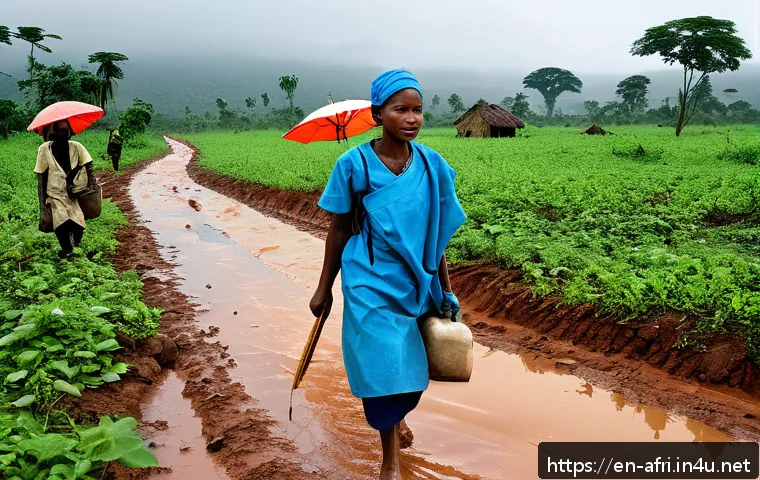
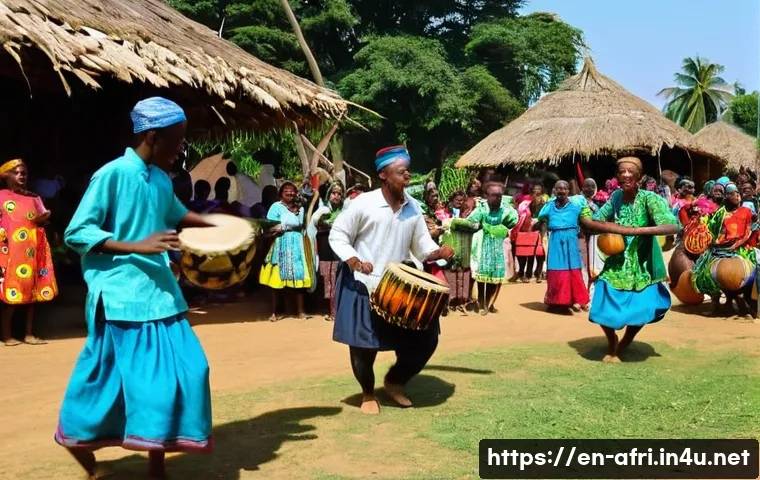
One of the most profoundly moving aspects of my Congo journey was the opportunity to step ashore and spend time with the local communities who call the riverbanks home. These weren’t staged tourist visits; they were genuine interactions, facilitated by our incredible guides who had long-standing relationships with the villages. The warmth and hospitality we received were overwhelming. I remember one particular village where children, their eyes wide with curiosity, would shyly approach us, eventually breaking into smiles and giggles as we shared simple gestures of friendship. We watched women skillfully prepare food, their hands moving with generations of practiced grace, and observed men mending fishing nets, their focus absolute. There was a palpable sense of community, of traditions being lived and passed down, vibrant and resilient against the backdrop of the modern world. It was a humbling experience, witnessing lives lived in such close harmony with nature, reliant on the river for sustenance and livelihood. These encounters shattered any lingering notions of a “primitive” existence; instead, I saw a deep wisdom, a resourceful spirit, and an incredible sense of contentment that many of us in the fast-paced Western world often strive for, but rarely achieve. It truly felt like stepping back in time, yet with a profound sense of shared humanity.
Sharing Stories: Bridging Worlds on the Riverbanks
Language barriers can sometimes feel like insurmountable walls, but on the Congo, I found that genuine connection transcended words. With the help of our guides translating, we sat with village elders, listening to stories that were as ancient and winding as the river itself. They spoke of local legends, of the spirits that inhabit the forest, and of the challenges and triumphs of their daily lives. In return, they were fascinated by our own stories, by the distant lands we came from, and by the differences and surprising similarities in our experiences. There was an incredible openness, a willingness to share and to understand, that made these exchanges so meaningful. I remember one elder, his face deeply etched with the wisdom of years, telling me about the importance of respecting the river, of taking only what you need, and of living in balance. His words resonated deeply, serving as a powerful reminder of a way of life that values harmony over consumption. These conversations weren’t just about exchanging information; they were about bridging cultures, finding common ground, and recognizing our shared human experience, even across vast geographical and cultural divides. It was truly an enriching, soul-stirring aspect of the journey.
The Warmth of Welcome: My Most Memorable Interactions
Among the countless unforgettable moments on this trip, the genuine warmth and unreserved welcome from the people along the Congo River stand out vividly. It wasn’t just politeness; it was a profound hospitality that made me feel like an honored guest, rather than just a fleeting visitor. I recall one afternoon when our boat docked near a small cluster of huts, and almost immediately, a group of children, followed by their parents, came down to greet us. Their smiles were infectious, their laughter unrestrained. One woman, noticing my fascination with her intricate beadwork, patiently demonstrated how she crafted each piece, her nimble fingers weaving tiny wonders. Another time, a young man proudly showed us his fishing catch, explaining the traditional methods passed down through his family. These weren’t grand gestures; they were simple, everyday moments filled with genuine connection. It was in these interactions that I truly understood the spirit of the Central African people – their resilience, their generosity, and their deep connection to their heritage. They taught me that true wealth isn’t measured in possessions, but in community, kindness, and the stories shared. These are the memories that truly warm my heart and underscore the profound impact this journey had on me, far beyond just the beautiful scenery.
Packing Smart for the Wild: Essentials for Your Jungle Expedition
Gear That Goes the Distance: What Really Matters in the Tropics
Embarking on a Congo River tour isn’t like heading to a beach resort; your gear choices can truly make or break your comfort and enjoyment. From my personal experience, the absolute game-changer was lightweight, quick-drying clothing. Forget heavy cottons; think breathable synthetics that wick away moisture. Long sleeves and pants are essential, not just for sun protection in the intense equatorial sun, but also as a crucial barrier against insects. I packed several pairs of sturdy, waterproof trekking sandals and a pair of lightweight hiking boots for any jungle treks. A reliable dry bag for electronics and important documents is non-negotiable – the river is unpredictable, and downpours can happen suddenly. Don’t skimp on a good headlamp with extra batteries; many evenings are spent by natural light, and you’ll appreciate the beam for navigating decks or finding things in your cabin. A wide-brimmed hat is also a must-have, protecting you from both sun and rain. Trust me, investing in quality gear tailored for humid, tropical environments will pay dividends in comfort, allowing you to fully immerse yourself in the adventure without distractions. After all, you want to be focused on the incredible scenery, not on soggy clothes or lost items!
Health & Safety First: Staying Prepared and Protected
When you’re venturing into a remote wilderness like the Central African Republic, being proactive about your health and safety is paramount. Before even booking, I made sure to consult with a travel doctor about necessary vaccinations – yellow fever is typically mandatory, and malaria prophylaxis is highly recommended. I carried a comprehensive first-aid kit stocked with essentials like antiseptic wipes, bandages, pain relievers, and any personal medications. Insect repellent, and I mean *good* insect repellent with a high DEET or picaridin concentration, became my best friend. The mosquitoes here aren’t just annoying; they can carry diseases, so constant vigilance is key. I also packed a small bottle of hand sanitizer, as clean water for handwashing isn’t always readily available, especially when making quick stops in villages. Staying hydrated is another huge one – the heat and humidity are intense, so I always had my reusable water bottle filled. Our tour operator provided filtered water, but I also carried a personal water purification straw as a backup. It’s all about layers of protection and being prepared for common issues. Having these essentials meant I could relax and enjoy the journey, knowing I’d done my due diligence to stay healthy and safe in this incredible, yet challenging, environment.
My Personal Must-Haves: Small Items, Big Impact
Beyond the obvious gear, there were a few smaller items that truly elevated my experience on the Congo. First, a high-quality pair of binoculars. They were invaluable for spotting elusive birds in the canopy, distant primates, or details on the riverbanks that would have otherwise gone unnoticed. It’s amazing what you miss with the naked eye! Second, a robust power bank or two for charging my phone and camera. While there were some charging points on the boat, they were limited, and having my own portable power meant I never missed capturing a stunning sunset or an unexpected wildlife moment. Third, a really good journal and pen. There’s something about being in such an inspiring place that makes you want to put your thoughts to paper, and I filled pages with observations, reflections, and sketches. It was a wonderful way to process the day’s adventures without relying solely on a screen. Finally, a lightweight, quick-drying towel was a lifesaver for everything from unexpected showers to quickly drying off after a dip (where safe!). These might seem like minor details, but trust me, they made a significant difference in my comfort and overall enjoyment, turning a challenging trip into a seamless, enriching adventure. Sometimes, the little things really do make the biggest impact when you’re far from home.
| Category | Recommended Item | Why It’s Essential |
|---|---|---|
| Clothing | Lightweight, quick-drying long-sleeved shirts and pants | Protection from sun, insects, and humidity; dries fast after rain or washing. |
| Footwear | Waterproof trekking sandals & lightweight hiking boots | Versatility for boat, shore, and jungle treks; protection and comfort. |
| Health & Safety | High-DEET insect repellent, malaria prophylaxis, comprehensive first-aid kit | Crucial for preventing insect-borne diseases and treating minor injuries. |
| Electronics | Power bank, headlamp with extra batteries, dry bag for electronics | Ensures devices stay charged and protected; essential for navigating in low light. |
| Personal Items | Wide-brimmed hat, reusable water bottle, binoculars, journal | Sun protection, hydration, enhanced wildlife viewing, and personal reflection. |
Beyond the Postcard: The Raw Beauty of the Central African Landscape
Sunsets That Stain the Sky: Nature’s Daily Masterpiece
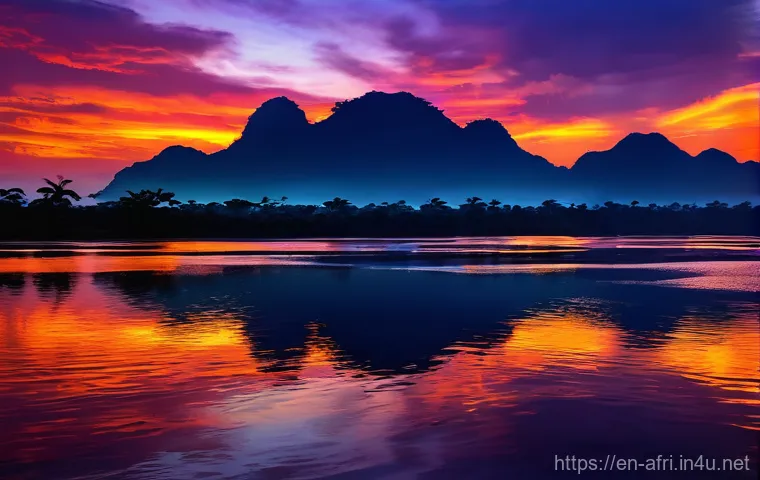
If you’re anything like me, you’ve seen countless photos of incredible sunsets – but let me tell you, nothing, absolutely nothing, prepares you for the spectacle of a Congo River sunset. It’s not just a sunset; it’s a profound, emotional experience that feels almost spiritual. Each evening, as our boat drifted gently along, the sky would ignite with a kaleidoscope of colors that defied description. Fiery oranges bled into deep purples, edged with streaks of brilliant rose and gold, reflecting perfectly on the glassy surface of the river. The clouds, often dramatic and voluminous, acted as nature’s own canvas, catching the light and transforming into majestic, ever-changing sculptures. I’d often find myself standing on the deck, completely speechless, feeling an immense sense of peace and wonder wash over me. It was a daily reminder of the raw, untamed beauty of this corner of the world, a spectacle that no camera could ever truly capture. These moments were perfect opportunities for reflection, to simply breathe in the vastness of it all, and truly feel connected to something ancient and magnificent. It’s the kind of natural art that truly stains your soul with beauty.
The Lush Green Expanse: Biodiversity at its Finest
The term “jungle” doesn’t quite do justice to the sheer, overwhelming vitality of the Central African rainforest along the Congo River. It’s an endless, undulating carpet of green, a living, breathing entity that pulses with life. From the moment the sun rose, casting dappled light through the dense canopy, I was struck by the incredible biodiversity surrounding us. Every shade of green imaginable was present, from the vibrant new growth clinging to ancient trees to the deep, almost black hues of shadowed vegetation. The air was thick with the scent of damp earth, blooming flowers, and the indescribable aroma of tropical growth. Our guides, with their incredible knowledge, would point out various plant species, explaining their medicinal uses or their role in the intricate ecosystem. We saw massive buttress roots, soaring trees that touched the sky, and delicate orchids clinging to branches. It wasn’t just a static landscape; it was a dynamic, interconnected web of life, a constant testament to the power of nature. Walking through small clearings, or even just observing from the boat, gave me a profound appreciation for the complexity and resilience of this vital ecosystem, a true powerhouse of the planet’s biodiversity.
Navigating the Rapids: Where the River Shows Its Power
While much of the Congo River journey is a serene, almost meditative experience, there are moments where the river flexes its muscles, reminding you of its immense power and untamed spirit. Navigating through the occasional rapids was one such thrilling reminder. These weren’t white-knuckle, death-defying stretches, but rather exhilarating passages where the current picked up, the water churned, and our boat moved with a noticeable surge. I remember holding my breath, feeling the spray on my face, as our experienced captain skillfully steered us through the swirling eddies and stronger currents. It was a moment of heightened awareness, a visceral connection to the raw force of nature. Far from being frightening, it was an invigorating experience, a testament to the river’s dynamic character. It underscored the fact that this isn’t a tame, predictable waterway; it’s a living, breathing artery that flows with incredible energy. These passages, brief as they were, offered a powerful contrast to the calmer stretches, highlighting the diverse personality of the Congo and adding an extra layer of adventure to an already extraordinary journey. It made me appreciate both the serene beauty and the formidable strength of this magnificent river.
Sustainability on the River: Traveling with a Conscience
Eco-Conscious Choices: How to Be a Responsible Explorer
In a world increasingly aware of its environmental footprint, embarking on an expedition like a Congo River tour comes with a significant responsibility to travel consciously. For me, it was crucial to ensure that my adventure didn’t negatively impact this pristine environment or its communities. This started with choosing a tour operator that explicitly committed to sustainable practices. Our operator, for instance, used environmentally friendly waste disposal methods, minimized plastic use by providing filtered water, and strictly enforced a ‘leave no trace’ policy. I personally made sure to carry a reusable water bottle and avoid single-use plastics wherever possible. During village visits, I was mindful of my actions, ensuring I always asked for permission before taking photos and respecting local customs. It’s about being an observer, not an intruder. This also meant supporting local economies directly where appropriate, rather than relying solely on imported goods. By making these small, intentional choices, we can collectively ensure that these incredible places remain untouched and vibrant for future generations to explore and cherish. Traveling responsibly isn’t just a trend; it’s a moral imperative when you’re privileged enough to witness such unparalleled natural beauty.
Supporting Local: Investing in the Communities We Visit
True immersion isn’t just about seeing the sights; it’s about understanding and contributing to the places you visit. On the Congo River, this meant actively seeking out ways to support the local communities. Our tour operator played a vital role here, ensuring that a significant portion of the trip’s revenue directly benefited the villages we encountered. This included hiring local guides and crew members, purchasing fresh produce from riverside markets, and commissioning local artisans for small, handmade souvenirs. I made a point of engaging with local vendors, even if just to practice a few words of their language, and purchased small crafts directly from the creators. It wasn’t about haggling for the lowest price, but about recognizing the value of their artistry and effort. Knowing that my spending contributed directly to their livelihoods, helping to support families and community projects, added an incredibly rewarding dimension to the trip. It transformed what could have been a purely observational journey into one of genuine connection and reciprocal benefit, fostering a sense of shared humanity and responsibility that resonated deeply with me long after I returned home. It’s a small way to ensure our visits leave a positive, lasting impact.
Leaving No Trace: My Commitment to Preservation
The principle of “leave no trace” takes on an even deeper significance when you’re exploring one of the planet’s last true wildernesses. On the Congo River, every piece of litter feels like a blight, every disturbance a wound. From the very beginning of the journey, our guides instilled in us a profound respect for the environment, emphasizing the importance of minimizing our impact. This meant strictly adhering to designated paths during any shore excursions, never disturbing wildlife or vegetation, and, crucially, packing out everything we packed in. Our boat had specific bins for different types of waste, and nothing, absolutely nothing, was permitted to enter the river. Even seemingly innocuous items like biodegradable tissues were carefully collected. It was a constant, conscious effort, but one that felt absolutely essential. I found myself becoming hyper-aware of my surroundings, treading lightly, and actively observing rather than interfering. This commitment isn’t just about adhering to rules; it’s about fostering a deep personal responsibility for the preservation of these fragile ecosystems. To experience such raw, untamed beauty is a privilege, and leaving it exactly as we found it, or ideally, even better, is the least we can do to honor that privilege and ensure its survival for generations to come. It’s a profound personal commitment that all true adventurers should embrace.
Unexpected Joys: Moments That Made the Journey Unforgettable
Serendipitous Encounters: The Unplanned Highlights
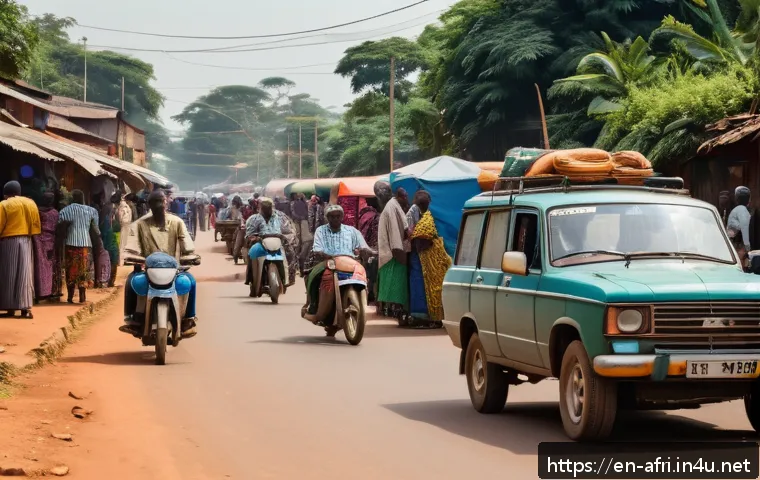
You can plan an itinerary down to the minute, but it’s often the unplanned, serendipitous moments that truly etch themselves into your memory during an adventure like this. On the Congo, these unexpected joys were abundant. I remember one lazy afternoon, just drifting on a quiet stretch of the river, when a group of local children in a dugout canoe paddled alongside us, their faces alight with pure joy. They didn’t ask for anything; they simply wanted to wave, exchange smiles, and perhaps share a few splashes of water. It was a fleeting, beautiful interaction that perfectly encapsulated the innocence and warmth of the people. Another time, we unexpectedly stumbled upon a vibrant, impromptu riverside market, buzzing with energy, colors, and the aromas of exotic spices. We spent an hour just soaking it all in, observing the lively bartering, and chatting with vendors through our guides. These unscripted moments, free from any pre-arranged schedule, felt incredibly authentic and grounding. They reminded me that sometimes, the greatest treasures of travel aren’t found on a map, but in the unplanned detours and genuine human connections that surprise and delight you when you least expect them. It’s these organic interactions that truly make a journey unforgettable.
Finding Peace: Moments of Quiet Reflection
In a world that constantly demands our attention, finding moments of genuine peace and quiet contemplation has become a rare luxury. The Congo River, with its vastness and serene rhythms, offered an abundance of these precious opportunities. I often found myself rising before dawn, stepping out onto the deck as the first whispers of light touched the horizon, and just sitting in silence. The only sounds were the gentle lapping of the river against the hull, the distant calls of waking birds, and the soft rustle of leaves. There were no distractions, no notifications, just the raw, unspoiled beauty of nature unfolding around me. These quiet moments became incredibly therapeutic, allowing me to process the day’s adventures, reflect on the incredible sights I’d seen, and simply *be*. It was during these times that I felt an almost profound sense of connection to the natural world, a feeling of being a small, yet integral, part of something much larger than myself. The river became a mirror, reflecting not just the sky, but also a deeper sense of clarity within. This journey taught me the immense value of stillness, and I returned home with a renewed appreciation for mindful presence, a gift I cherish deeply from the heart of Africa.
The Lasting Impact: How This Trip Changed My Perspective
When I think back to my Congo River adventure, it’s not just a collection of memories; it’s a profound shift in perspective that has truly stayed with me. Before the trip, I saw the world through a more conventional lens, but this journey cracked open something fundamental within me. It taught me the sheer resilience of nature, the indomitable spirit of communities living in harmony with their environment, and the incredible richness that exists far beyond the confines of our modern, industrialized lives. I came to understand that true wealth isn’t measured in material possessions, but in experiences, in connection, and in the quiet wisdom of ancient lands. The river itself became a metaphor for life – constantly flowing, ever-changing, yet steadfast and powerful. I learned to appreciate the simple things, to slow down, and to truly listen to the world around me. It wasn’t just a vacation; it was an education for the soul, a profound re-calibration of priorities. This trip didn’t just show me a new place; it showed me a new way of seeing the world, a more appreciative, more connected way. It’s an adventure I’d recommend to anyone brave enough to step out of their comfort zone and truly seek an experience that will resonate for a lifetime. The Congo isn’t just a destination; it’s a transformation.
Concluding My Journey
As I finally packed my bags, reluctantly leaving the vibrant, untamed heart of the Congo behind, a profound sense of gratitude washed over me. This wasn’t just a trip; it was a deeply transformative odyssey that reshaped my entire perception of adventure, nature, and humanity. I arrived with a thirst for the unknown and left with a soul enriched by the river’s timeless wisdom, the forest’s vibrant pulse, and the incredible warmth of its people. Every sunset was a masterpiece, every wildlife sighting a sacred encounter, and every interaction a lesson in resilience and simple joy. It felt less like a visit and more like an integration into a living, breathing ecosystem, reminding me of our intrinsic connection to the natural world. If you’ve ever dreamt of stepping truly off the beaten path, of finding a wild beauty that transcends photographs, then the Congo calls to you. It’s a journey that will stay with you, whisper in your memories, and perhaps, as it did for me, inspire a deeper, more conscious way of living long after you’ve returned home.
Handy Tips for Your Expedition
1. Prioritize Ethical Tour Operators: Before you even think about packing, commit to finding a tour company with a proven track record in sustainable tourism and community engagement. This isn’t just about being ‘nice’; it’s about ensuring your adventure leaves a positive footprint, respects local cultures, and directly benefits the people whose home you’re visiting. Ask tough questions about waste management, local employment, and how they support conservation efforts. It makes a world of difference, not just for the environment, but for the authenticity of your experience, ensuring your travel dollars empower local economies rather than simply passing through.
2. Embrace the Local Language (Even a Little!): While guides will be indispensable for deeper conversations, making an effort to learn a few basic phrases – “hello,” “thank you,” “how are you” – in local dialects goes an incredibly long way. It’s a sign of respect that opens doors to warmer interactions, genuine smiles, and unforgettable connections with the communities you encounter. Even a simple “mambo” or “jambo” can bridge cultural gaps and create moments of shared humanity that are truly priceless, fostering a much richer and more respectful interaction.
3. Pack Smart, Not Heavy: The equatorial climate demands a strategic packing list. Think lightweight, quick-drying fabrics that offer sun and insect protection (long sleeves and pants are non-negotiable, even when it’s hot). A good dry bag is your best friend for electronics and important documents, and don’t forget a quality headlamp with extra batteries – trust me, evenings can be incredibly dark! Resist the urge to overpack; laundry might be basic, but the freedom of traveling light in such an environment is priceless. Every item should have a purpose and pull its weight in your limited luggage.
4. Health Preparedness is Key: This isn’t a trip where you can afford to be unprepared health-wise. Consult a travel doctor well in advance for recommended vaccinations (Yellow Fever is often mandatory for entry, so get your certificate!) and discuss malaria prophylaxis, as well as any other region-specific health concerns. Carry a comprehensive, personal first-aid kit with essentials like antiseptic wipes, pain relievers, and any personal medications. Never underestimate the power of a strong insect repellent with a high DEET concentration. Hydration is also paramount; always have a refillable water bottle handy. Being proactive ensures your focus stays on the incredible journey, not on preventable ailments, allowing you to fully immerse yourself in the experience.
5. Cultivate Patience and Flexibility: River travel, especially in remote areas like the Congo, operates on its own unique rhythm. Things won’t always go according to a strict schedule, and that’s part of the adventure! Embrace the slower pace, the unexpected detours, and the moments of waiting. These are often when the most serendipitous encounters occur, or when you simply have the chance to truly soak in the breathtaking surroundings. A flexible mindset is your most valuable travel companion here; trying to force a rigid timetable will only lead to frustration, whereas adapting to the flow will open you up to the true spirit of the journey.
Key Takeaways from the Heart of Africa
My journey through the Congo was a potent reminder of several profound truths that truly resonated deep within me. Firstly, the sheer resilience and untouched majesty of nature are awe-inspiring, deserving of our utmost respect and protection; witnessing such vibrant biodiversity firsthand underscored the urgent need for conservation. Secondly, true connection transcends language; the warmth, generosity, and quiet wisdom of the local communities offered invaluable lessons in contentment and sustainable living that our fast-paced modern world often overlooks. Thirdly, responsible travel is not just a preference but a critical necessity, ensuring that these precious environments and unique cultures thrive for generations to come, not just for fleeting tourist snapshots. Finally, and perhaps most importantly, stepping far outside your comfort zone can lead to the most profound personal growth, shifting perspectives and enriching the soul in ways you never thought possible. This isn’t just a destination; it’s an invitation to rediscover a deeper, more mindful part of yourself within the wild, beating heart of Africa.
Frequently Asked Questions (FAQ) 📖
Q: uestionsQ1: How can I ensure safety and prepare for such a wild journey into the heart of Central
A: frica? A1: Oh, this is the first question on everyone’s mind, and for good reason! When you’re venturing into a place as genuinely wild and untamed as the heart of Central Africa, preparation isn’t just key—it’s your best friend.
From my own experiences, the absolute non-negotiable is going with a reputable, experienced expedition outfitter. These aren’t your typical package tours; you need experts who truly know the region, its people, and the river itself, inside and out.
They’re your lifeline for navigating everything from securing the right permits and understanding local customs to handling any unexpected bumps along the way.
Before you even think about packing, consult your doctor about all necessary vaccinations. Yellow Fever is typically mandatory, and I’d strongly recommend discussing malaria prophylaxis, as well as vaccinations for Hepatitis, Typhoid, Meningitis, Rabies, and Cholera.
Believe me, you want to be as protected as possible. Beyond that, research the political and security situation diligently. While the Republic of Congo offers more accessible and generally safer river experiences, regions like the Central African Republic often carry “Do Not Travel” advisories from various governments due to armed conflict, crime, and civil unrest, making travel within its borders extremely high-risk.
This isn’t a trip to cut corners on research or preparedness; it’s about being informed and taking every precaution. You’ll also want robust travel insurance, specifically one that includes emergency medical evacuation, because medical facilities can be very basic or non-existent in remote areas.
Trust me, having that peace of mind is priceless when you’re far from home. Finally, pack smart: lightweight, quick-drying clothing, good insect repellent, a comprehensive first-aid kit, and durable gear are essential.
This isn’t just travel; it’s an expedition, and preparation makes all the difference in truly enjoying the profound experiences ahead.
Q: What truly sets a Congo River tour apart from other expeditions, and what unforgettable experiences can I expect?
A: If you’re looking for something beyond a postcard-perfect view, something that sinks deep into your soul, this is it. What makes a Congo River tour utterly unparalleled, in my opinion, is its raw authenticity and the sheer, humbling immersion into an ancient way of life.
Unlike many other major rivers that have become heavily touristed, much of the Congo remains a vital artery for local communities, virtually untouched by modern tourism.
You won’t find bustling gift shops or choreographed cultural performances here. Instead, you’ll witness life unfolding organically: vibrant river markets where goods are traded from dugout canoes, children splashing on the banks, and the timeless rhythms of communities deeply connected to the river.
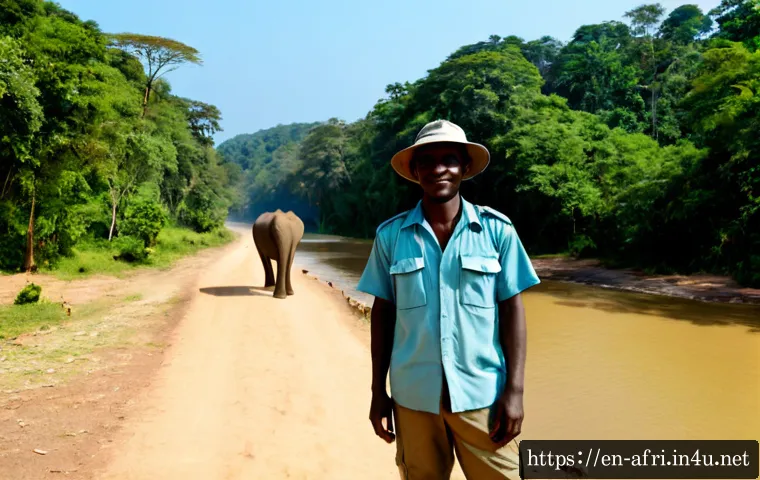
From my perspective, cruising past dense rainforests, often teeming with elusive wildlife like monkeys, forest elephants, and hippos, is an experience that puts you right into the heart of nature’s grandeur.
The chance to interact with indigenous tribes, learn about their traditions, and share a meal under a canopy of stars is genuinely transformative. It’s not just about seeing; it’s about participating, learning, and feeling the pulse of a continent that few travelers ever truly get to know.
I remember one evening, camping on a sandbank, the sounds of the jungle came alive around us, a symphony of crickets, unseen creatures, and the gentle lapping of the river – it was truly magical and a stark reminder of how disconnected we’ve become from the natural world.
This journey offers a rare privilege: to be a respectful witness to a world that continues to thrive on its own terms, creating stories and memories that will resonate with you for a lifetime.
Q: What are the essential practicalities like visas, vaccinations, and the best time to embark on this incredible adventure?
A: Planning for an adventure of this magnitude definitely requires sorting out the nitty-gritty details. First off, visas are non-negotiable and must be obtained well in advance of your trip.
There are no visas on arrival for most nationalities for either the Democratic Republic of Congo or the Republic of Congo, and you’ll typically need an invitation letter from a tour operator or a local contact.
For Central African Republic, getting a visa is even more complex given the travel advisories, so confirm everything directly with their embassy or consulate in your home country.
Regarding vaccinations, as I mentioned, Yellow Fever is mandatory, and you’ll need proof via an International Certificate of Vaccination (your “yellow card”) to enter.
Other highly recommended vaccines include Hepatitis A and B, Typhoid, Meningitis, Rabies, and Cholera. Always consult a travel health specialist at least 6-8 weeks before your departure to get personalized advice and any required medications like anti-malarials.
When it comes to the “best time,” Central Africa generally experiences distinct dry and rainy seasons. For a Congo River expedition, the dry seasons are usually preferred as river levels can be more predictable, making navigation easier, and wildlife viewing can sometimes be better as animals congregate near water sources.
For the Republic of Congo, the long dry season from June to September is often considered ideal, with milder temperatures and lower humidity. For the Central African Republic, the dry season runs from November to March, with January and February being particularly good for wildlife.
However, rainfall can occur year-round in these equatorial regions, so flexibility and waterproof gear are always a good idea. Keep in mind that “best time” can also depend on specific activities, like gorilla trekking, which might have different optimal periods.
Always check with your chosen tour operator as they’ll have the most current and specific advice for your chosen route. This isn’t a trip you spontaneously book; it’s a meticulously planned odyssey, and getting these practicalities right is your first step towards an epic experience!